Over time, mastering arpeggios on the guitar can significantly enhance your playing versatility and musical expression. In this guide, you’ll learn the vital techniques and tips to incorporate arpeggios into your repertoire, enabling you to create beautiful melodies and intricate harmonies. Whether you are a beginner or looking to refine your skills, this step-by-step approach will help you understand the fundamentals of arpeggios and how to effectively apply them in your practice sessions and performances.
Understanding Arpeggios
While many guitarists focus on strumming chords, understanding arpeggios can elevate your playing to new heights. An arpeggio is a technique where the notes of a chord are played sequentially rather than simultaneously, allowing for a more melodic and intricate sound. By incorporating arpeggios into your practice, you can enhance your finger dexterity, improve your musical ear, and create more dynamic arrangements.
Definition of Arpeggios
Any musician can tell you that arpeggios refer to the individual notes of a chord played in succession. Instead of striking all the notes at once, you break them apart, allowing you to explore various patterns and create flowing melodies. Arpeggios can be ascending or descending, and they are foundational for guitar solos and accompaniment styles.
Importance in Music
Assuming you want to expand your musical vocabulary, understanding the role of arpeggios in music is important. They serve as a bridge between harmony and melody, making your guitar playing more versatile. By mastering arpeggios, you unlock opportunities for improvisation and composition, enriching your overall sound.
Importance cannot be overstated when it comes to the role of arpeggios in music. They add depth and texture, transforming simple chords into dynamic progressions. When you incorporate arpeggios into your playing, you enable smoother transitions between chords and enhance your ability to create memorable melodies. This foundational skill not only improves your technique but also broadens your approach to songwriting and improvisation, making you a more expressive musician.
How to Get Started with Arpeggios
It’s crucial to begin with a solid understanding of arpeggios, as they lay the foundation for many guitar techniques. Start by familiarizing yourself with the concept of breaking chords into individual notes, which will enhance your ability to play melodies and harmonies. Setting a regular practice routine focused on arpeggios will help you develop muscle memory and enhance your overall guitar skills.
Choosing the Right Guitar
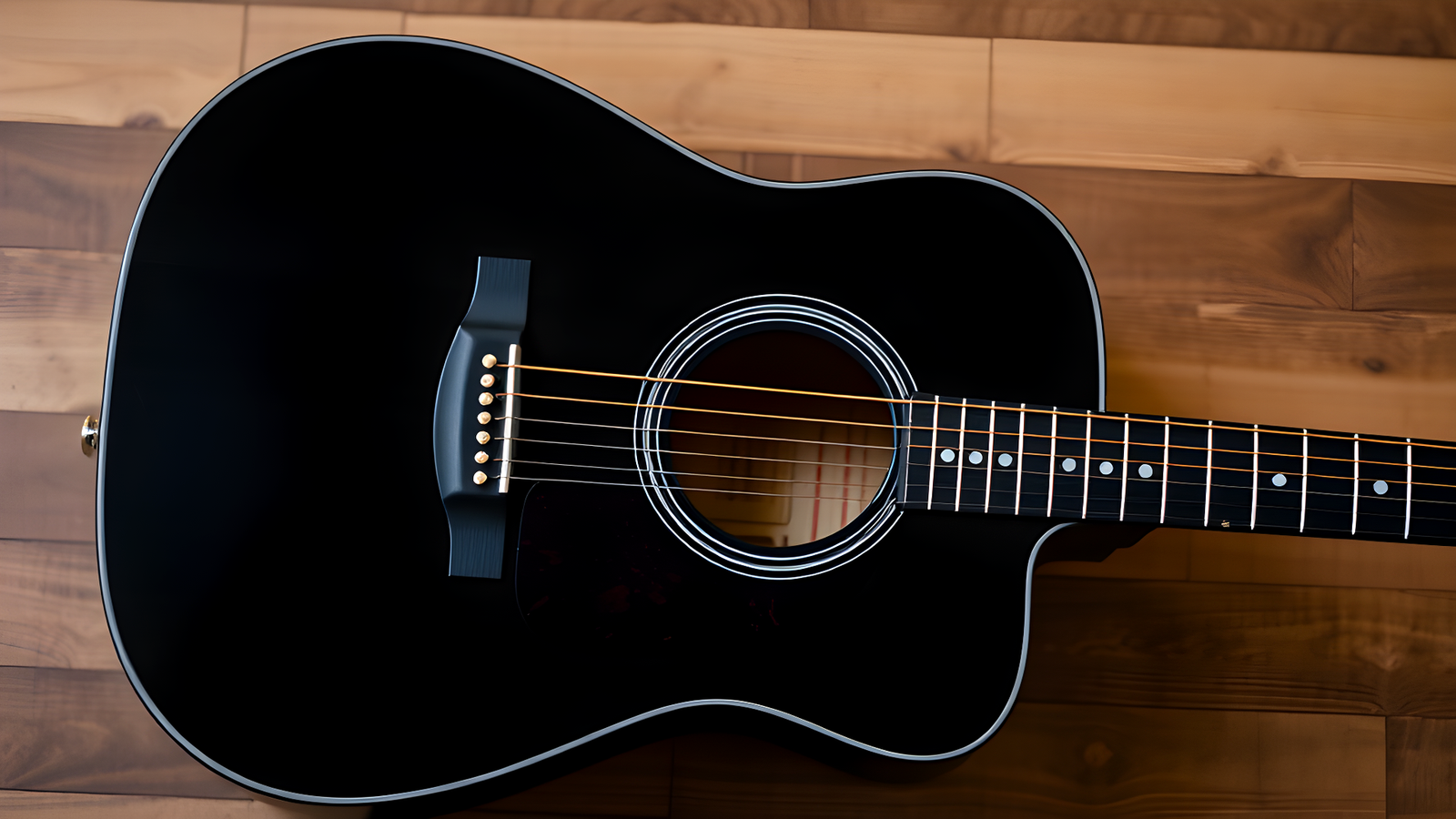
On your journey to mastering arpeggios, selecting the right guitar can significantly impact your experience. Acoustic guitars tend to better emphasize the sound of individual notes, while electric guitars offer versatility with effects and amplification. Ultimately, choose an instrument that feels comfortable in your hands and suits your playing style.
Basic Finger Placement
Choosing the correct finger placement is vital for producing clean sounds when playing arpeggios. You want to ensure your fingers are positioned on the right strings while avoiding unintentional muting of adjacent ones. Practice arching your fingers over the fretboard and pressing down firmly on the strings to get a clear tone.
For instance, position your index finger on the first string (high E) at the first fret, allowing your other fingers to fall naturally on the remaining strings. This setup will help you produce an even sound throughout the arpeggio. Be sure to experiment with different finger combinations as you practice various patterns, and don’t hesitate to adjust your grip for comfort and precision.
Simple Arpeggio Patterns
Right from the onset, exploring simple arpeggio patterns can enhance your technique and musical expression. Start with basic sequences, such as playing the root, third, and fifth of a chord in succession. This will not only help you become accustomed to finger placement but also assist in developing your ear for harmony.
It’s beneficial to practice these patterns slowly at first, gradually increasing your speed as you gain confidence. Use a metronome to keep your timing consistent, and try out different patterns across various chord shapes. This exploration will enrich your playing and provide you with a solid foundation to incorporate more complex arpeggios into your repertoire.
Tips for Practicing Arpeggios
Keep your practice sessions focused and effective by incorporating a few helpful tips:
- Practice regularly to build muscle memory.
- Start each session with warm-up exercises.
- Record yourself to track improvement.
- Experiment with different finger placements.
Thou will find that these strategies enhance your arpeggio playing significantly.
Use a Metronome
An important tool for any guitarist is the metronome. It helps you maintain a steady tempo while practicing arpeggios. Set the metronome to a slow pace that feels comfortable to you, then gradually increase the speed as your accuracy improves. This will ensure that you develop a consistent rhythm and can adapt to playing at various tempos.
Focus on Timing and Rhythm
With every note you play, timing and rhythm play an important role in how arpeggios sound. Ensuring that each note is played cleanly and evenly enhances the musical quality of your performance. By concentrating on the phrasing and flow of your arpeggios, you can create a more natural sound that resonates with listeners.
Practicing your timing will help you recognize the importance of playing notes evenly without rushing or dragging. Work on subdividing the beats in your mind to internalize the rhythm better. By applying this technique regularly, you’ll find that your overall musicianship improves, making your arpeggios sound fluid and professional.
Start Slow and Build Speed
For effective progress, begin your arpeggio practice at a slow tempo. This allows you to focus on precision and clarity, ensuring each note rings out beautifully. Once you feel comfortable, you can gradually increase the speed while maintaining accuracy, effectively developing both your technical skills and musicality.
Start with a manageable speed and only increase it when you can play sustainably without mistakes. Rushing can lead to sloppy playing, hindering your growth as a guitarist. By embracing this approach, you will build a solid foundation for speed while ensuring your arpeggios maintain a clean and polished sound.
Factors Affecting Arpeggio Technique
Unlike straightforward chord strumming, your arpeggio technique can be influenced by various factors. Pay attention to the following elements:
- Picking hand precision
- Fingering choices
- Timing and rhythm
- String muting techniques
- Overall hand coordination
Knowing how these factors interact can significantly enhance your arpeggio playing.
Picking Strategies
Now, your picking strategy is vital for achieving clarity in your arpeggios. You might choose between alternate picking or fingerpicking techniques, each offering distinct tonal qualities. Experiment with both to discover which method suits your style and enhances your play.
Hand Coordination
Affecting your ability to play smooth arpeggios is the coordination between your picking and fretting hands. This synchronization helps you achieve cleaner notes and transitions.
This relationship between the hands is vital for fluid performances. Focus on isolating your picking and fretting actions during practice. Use a metronome to develop timing, ensuring your picking matches the rhythm of your fretting. Gradually increase the tempo as you become comfortable, and you will notice a marked improvement in your arpeggio execution.
Learning Different Styles
Styles of arpeggios vary widely across musical genres, and you’ll want to explore these to develop your versatility. Consider focusing on classical, fingerstyle, or even hybrid picking approaches.
Technique plays a pivotal role in adapting to different styles. Practice specific patterns associated with each genre to refine your skills. For example, classical styles often involve intricate finger positioning, while rock may emphasize speed and drive. By immersing yourself in various techniques, you’ll greatly expand your artistic expression on the guitar.

Advanced Arpeggio Techniques
After mastering basic arpeggios, you can explore advanced techniques to enhance your playing. These methods not only elevate your skill level but also add depth to your musical expression.
Advanced Techniques
|
Sweep Picking
Even if sweep picking appears daunting, it is a highly effective technique for playing arpeggios rapidly and smoothly. Practice the motion of sweeping your pick across the strings in one fluid motion to achieve clarity and speed.
Hybrid Picking
With hybrid picking, you combine a pick with your fingers to pluck strings, resulting in a dynamic sound for your arpeggios. This technique allows you to play complex passages with ease by utilizing fingerstyle nuances along with traditional picking.
Arpeggio techniques like hybrid picking can greatly enhance your guitar playing. By using your pick and middle finger simultaneously, you can articulate notes in a way that feels more fluid and versatile. This approach provides a unique tonal quality and allows you to incorporate intricate patterns that set your playing apart.
Incorporating Arpeggios into Your Playing
Now that you’ve mastered the basics of arpeggios, it’s time to integrate them into your playing style. Experiment with incorporating arpeggios into your solos and chord progressions to add texture and depth to your music. Use them to create transitions between chords or as a foundation for melodies. The versatility of arpeggios can enhance your overall sound and keep your playing fresh and engaging.
Creating Unique Sounds
The beauty of arpeggios lies in their ability to create unique sounds by breaking up the standard chord progression. By varying the rhythm, dynamics, and fingerpicking patterns, you can bring out distinct tonal qualities. Try using different voicings or inversions of chords to unlock new colors in your music.
Improvisation Techniques
Improvisation using arpeggios can elevate your playing to new heights. By weaving arpeggios into your improvisational repertoire, you can add melodic sophistication to your solos. Use arpeggios that correspond to the underlying chords in a progression, allowing you to explore creative phrasing while maintaining harmonic context.
Another effective approach is to practice arpeggio patterns across different positions on the neck, which will enhance your familiarity with the fretboard. This will enable you to fluidly switch between different shapes and scales while improvising, making your solos more dynamic and expressive.
Songwriting with Arpeggios
Some of the most compelling songs use arpeggios to create emotional landscapes. By building your chord progressions using arpeggios, you can craft captivating melodies that resonate with listeners. This technique adds a sense of movement and intrigue, making your compositions stand out.
Creating memorable hooks and verses is easier when you explore arpeggios in your songwriting. Incorporating these patterns allows you to play with rhythm and texture, leading to innovative chord progressions and catchy melodies that make your songs memorable.
Final Words
To wrap up, mastering arpeggios on the guitar opens up a world of musical possibilities for you. By practicing varied patterns and incorporating them into your playing, you can enhance both your technical skills and your creativity. Be sure to focus on timing and precision as you progress, and don’t hesitate to experiment with different chord voicings. With dedication and consistent practice, you’ll find that arpeggios can add depth and richness to your guitar performances.