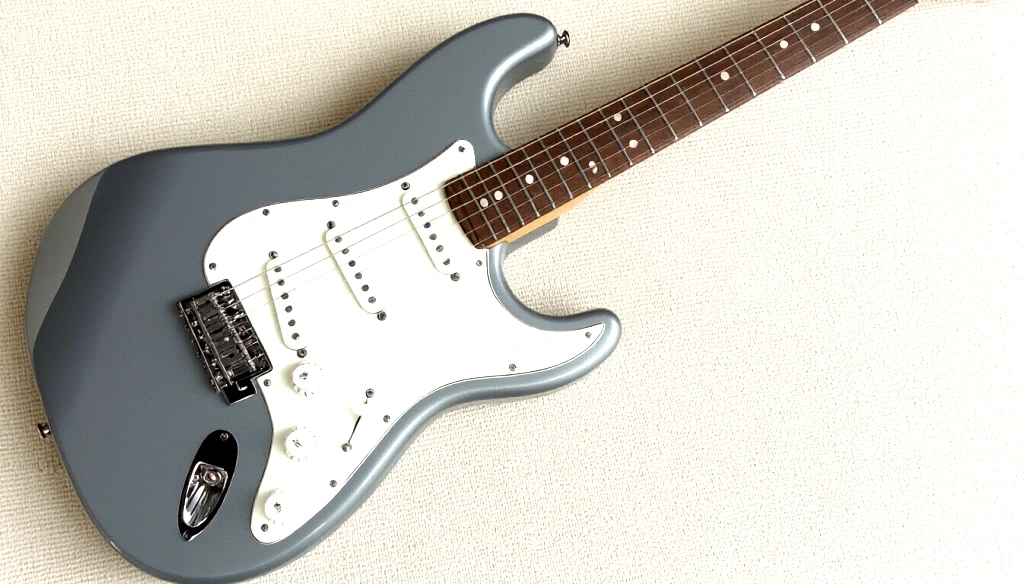
There’s a world of expression waiting for you in the art of string bending. Mastering this important guitar technique can elevate your playing and add emotion to your solos. In this blog post, you’ll learn the fundamentals of bending strings accurately and tastefully, allowing you to create those iconic notes that resonate with listeners. We’ll cover finger positioning, timing, and tips to help you achieve that pro-like finesse in your bends, so you can take your guitar skills to the next level.
Understanding String Bending
The art of string bending is a foundational technique that elevates your guitar playing, allowing you to express emotions and convey nuances in your sound. By manipulating the tension of the strings, you’re able to change their pitch, crafting everything from subtle vibratos to powerful, soaring notes. Mastering this technique opens up new dimensions in your playing, lending you the ability to phrase your music with greater depth and character.
The Anatomy of the Guitar String
One of the most important aspects of string bending is understanding the anatomy of the guitar string itself. Composed typically of metal or nylon, strings come in various gauges, impacting how easily they bend and the overall tone you achieve. Thicker strings provide a richer sound but require more effort to bend, while thinner strings offer ease of playability, making them ideal for expressive techniques.
The Science Behind String Bending
Any time you bend a string, you’re engaging in a fascinating interplay of physics and materials. When you push a string laterally, you change the tension along its length, which consequently alters its pitch. The degree of pitch change depends on several factors, including string gauge, tension, and the distance you bend. Understanding these variables can significantly enhance your ability to execute bends more effectively.
But string bending is not merely a physical act; it’s also about feel and context. The tension and gauge affect how responsive each string is to your touch, letting you decide how pronounced a bend should be. Additionally, incorporating bends with bends of different durations and speeds can create varied emotional impacts in your music. By experimenting with both the mechanics and expressive aspects of string bending, you’ll be well on your way to playing like a pro.
Techniques for Bending Strings
One of the key aspects of mastering the guitar involves learning how to bend strings effectively. This technique allows you to add expressive nuances to your playing and is important for achieving a professional sound. By exploring various bending techniques, you can elevate your skills and make your guitar solos and riffs more dynamic.
Basic Bending Techniques
About mastering basic bending techniques can help you build a solid foundation. Start by ensuring your finger placement is strong and steady. A common method is to use your ring finger to bend the note up a half or whole step, while your index and middle fingers provide support. Gradually incorporate these bends into your playing to enhance your solos.
Advanced Bending Techniques
Techniques for advanced bending create unique sounds in your guitar playing. You can explore concepts like pre-bending and double-stop bends. Here are some advanced techniques to consider:
- Pre-bending – bending a string before plucking it to create a unique effect.
- Microtonal bends – bending to reach notes between standard frets for an exotic sound.
- Two-string bends – bending two adjacent strings to add harmonic richness.
- Pitch bending with vibrato – combining bends with a vibrato motion for dynamic expression.
| Technique | Description |
|---|---|
| Pre-bending | Bend the string before picking it to achieve a unique sound. |
| Microtonal bends | Bend to notes between standard tones for enhanced expressiveness. |
| Two-string bends | Simultaneously bend two strings for added harmonic complexity. |
| Pitch bending with vibrato | Combine vibrato with pitch bends for a dramatic effect. |
Indeed, exploring these advanced bending techniques unlocks new expressive possibilities in your guitar playing. As you practice, focus on precision and control while integrating these methods into your musical style. Here’s a list of techniques to enhance your advanced bending skills:
- Practice with a metronome to develop timing.
- Experiment with different finger combinations for support.
- Combine bends with slides for fluid transitions.
- Record yourself to analyze your bending accuracy.
| Technique | Practice Suggestion |
|---|---|
| Practice with a metronome | Helps cultivate precise timing. |
| Experiment with finger combinations | Find the most comfortable support patterns. |
| Combine bends with slides | Enhances musical flow in your phrases. |
| Record your playing | Self-analysis for identifying areas of improvement. |
Different Types of Bending
You can master various types of string bending techniques to enhance your guitar playing. Understanding these bends will elevate your solos and musical expression. Here’s a quick overview:
| Type of Bend | Description |
| Whole Step | Raising the pitch two semitones. |
| Half Step | Raising the pitch one semitone. |
| Pre-Bend | Pre-bending the string before plucking it. |
| Release Bend | Releasing a bent note back to its original pitch. |
| Unison Bend | Bending one string to match the pitch of another. |
Perceiving the nuances of each type will allow you to incorporate them into your playing style effortlessly.
Whole Step vs. Half Step Bends
Any guitarist should familiarize themselves with whole step and half step bends, as they serve different musical purposes. Whole step bends deliver a more dramatic change in pitch, while half step bends provide a subtler touch. Utilizing both in various combinations can create tension or resolution in your solos.
Pre-Bends and Release Bends
Against the instinct to simply bend after plucking the string, pre-bending gives you a captivating effect that can set your playing apart. When combined with release bends, you create musical phrases that tug at the listener’s emotions.
Release bends allow you to explore the dynamics of expression in your solos. By bending a note and then returning it to its original pitch, you create a sense of movement and resolution that captures the listener’s attention. Using these techniques in harmony provides a unique voice to your style, enriching your musical phrases and overall performance.
Tips for Perfecting Your Bends
For achieving consistent and expressive string bends, focus on a few important techniques. Consider the following:
- Use your fingertips to apply pressure for better control.
- Add vibrato after completing the bend for added expressiveness.
- Practice bends slowly and accurately to develop muscle memory.
- Experiment with different finger placements to find what feels comfortable.
The more you practice these tips, the more proficient your bends will become.
Practicing Bending Techniques
Any dedicated guitarist can improve their bending techniques with targeted practice. Set aside time in your daily routine specifically for honing your bending skills. Start by bending notes at different frets and gradually work your way up to combining bends with other techniques, such as slides and hammer-ons, for a dynamic sound. Incorporate bends in your favorite songs to keep the practice enjoyable.
Common Mistakes to Avoid
Below are some typical pitfalls that can hinder your bending abilities. Avoid bending too far, which can lead to an out-of-tune note, and overly relying on your fretting hand instead of engaging your wrist, which can limit your range and strength. Additionally, you may unintentionally apply excessive pressure or tension, compromising the fluidity of your playing.
For instance, many guitarists underestimate the importance of being in tune while bending. Consistency in your pitch is key, so if you find your note consistently sharp or flat, adjust your approach by paying attention to your finger placement and the amount of pressure you apply. Focus on ensuring that each bend lands accurately to enhance your overall performance.
Incorporating Bending into Your Playing
Unlike many techniques that might feel disconnected from your style, string bending can seamlessly blend into your playing. By experimenting with different bends during scales and chords, you can enrich your guitar solos and enhance your musical expression. Focus on integrating bends into your phrases, allowing them to become an extension of your voice on the instrument, making your style more nuanced and dynamic.
Creating Emotion Through Bends
At its core, bending strings allows you to convey deep emotion in your guitar playing. Whether you’re aiming for a bluesy wail or a sweet, soulful tone, bends can evoke feelings that resonate with your audience. Use them to highlight key moments in your playing, and don’t shy away from letting your bends linger, adding to the emotional weight of your music.
Using Bends in Solos and Riffs
Bends add a level of expressiveness to your solos and riffs that straight notes can’t replicate. They allow you to emulate the nuances of human expression, making your music more relatable and impactful.
It’s imperative to incorporate bends thoughtfully in your solos and riffs. You can use half-step bends to create tension or full-step bends for a more dramatic effect. Additionally, combining bends with other techniques, such as slides or vibrato, adds layers to your playing. Experiment with placing bends at the climax of your phrases, which invites listeners in and creates memorable hooks that keep your audience engaged.
Gear and Setup for Optimal Bending
Keep your guitar well-maintained and appropriately set up to maximize your string bending capabilities. Ensure that your action, intonation, and neck relief are adjusted to suit your playing style, as these factors directly influence how easily you can bend strings. Additionally, consider the type of strings you use; opt for lighter gauges to facilitate smoother bends without straining your fingers too much.
Guitar Setup for String Bending
Between adjusting your truss rod and string height, a proper setup can dramatically improve your bending experience. Aim for lower action to allow for less resistance when you push those strings down. A neck that has a slight relief can also aid in preventing buzzing while bending, ensuring a clean, expressive sound.
Recommended Equipment and Accessories
At the same time, investing in quality equipment and accessories can further enhance your string bending technique. Items such as vibrato bars, capos, and specialty fingerpicks can provide additional tools to explore different bending styles and sounds. Pick options that feel comfortable and suit your playing style for the best results.
In fact, incorporating a reliable capo can expand your bending horizons by allowing you to play in different keys while maintaining string tension. A good quality vibrato bar enables smooth pitch shifts, making bends even expressive. Additionally, ergonomic fingerpicks can help with articulation and control during bends, allowing you to sustain notes effectively. Exploring these various accessories can lead you to discover new ways to enhance your bending techniques and ultimately, your sound.
Final Words
From above, mastering the art of bending strings can elevate your guitar playing to new heights. By understanding the techniques, practicing consistently, and applying the tips discussed, you can achieve those expressive notes that define great solos. Experiment with different string gauges and techniques to find what works best for your style. As you refine your bending skills, you’ll unlock a new level of creativity and emotion in your performances, making your guitar sound truly exceptional.