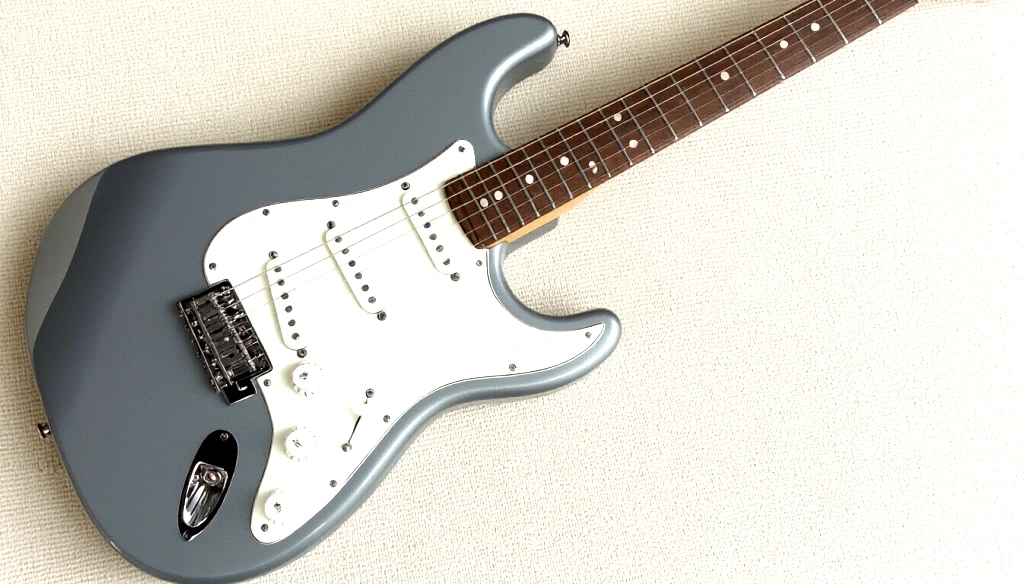
Guitar enthusiasts often find themselves intrigued by the versatility of this instrument, while the ukulele offers a delightful and approachable alternative for beginners. In this blog post, I will guide you through the benefits of taking lessons, whether it’s strumming your first chords on a guitar or discovering the joy of a ukulele. You’ll learn how effective lessons can elevate your playing style, avoid common pitfalls, and enhance your overall enjoyment of music. Let’s investigate the world of stringed instruments and unlock your musical potential together!
Key Takeaways:
- Fostering Creativity: Guitar and ukulele lessons enhance artistic expression and help develop unique musical styles.
- Skill Development: Regular practice and structured lessons improve finger dexterity, strumming techniques, and overall musical proficiency.
- Social Connection: Learning these instruments often leads to opportunities for collaboration and building friendships through music-making.
The Basics of Guitar Playing
A key step in your musical journey starts with the fundamentals of guitar playing. Understanding these basics not only sets a strong foundation, but also opens the door to a world of creativity and expression. For those interested in structured lessons, I highly recommend checking out First Frets Guitar and Ukulele Lessons for guidance.
Understanding the Guitar Anatomy
Basics of guitar anatomy are crucial in learning how to play. Familiarize yourself with the vital parts, such as the body, neck, fretboard, and strings. Knowing the terms and their functions helps you communicate effectively during lessons and enhances your overall playing experience.
Types of Guitars: Acoustic vs. Electric
Acoustic guitars produce sound naturally from the vibrations of the strings, while electric guitars rely on electronic amplification for their sound. Here are some key differences:
| Feature | Acoustic |
| Sound Production | Natural |
| Amp Required | No |
| Body Type | Hollow |
| Genre Suitability | Folk, Country |
Guitar players often have a preference between acoustic and electric guitars based on their music style and playing technique. Acoustic guitars are usually lighter and more portable, making them the preferred choice for beginners. On the other hand, electric guitars offer greater versatility and a wide array of sound options. Assume that your choice will depend on your musical direction and personal preference.
- Sound Production
- Portability
- Genre Suitability
- Playing Style
- Amplification
Essential Guitar Accessories
Accessories play a significant role in enhancing your guitar experience. From picks to tuners, having the right tools makes learning and playing much easier.
Guitars need specific accessories to ensure optimal playability. A decent guitar pick helps with strumming, while a tuner is vital for maintaining the right pitch. Additionally, consider getting a capo for changing keys without altering finger positions and a strap for comfortable playing. Do not forget, investing in quality accessories can take your playing to the next level. Assume that you’ll enjoy your practice much more with the right tools at hand.
- Guitar Pick
- Tuner
- Capo
- Strap
- Case
Foundational Ukulele Skills
Even as a beginner, you can enhance your musical journey by mastering foundational ukulele skills. Understanding the anatomy, types of instruments, important accessories, and maintaining your ukulele will set you up for success.
Anatomy of a Ukulele
Any aspiring player should familiarize themselves with the basic components of a ukulele, which include the body, neck, fretboard, tuning pegs, and bridge. Each part plays a vital role in producing sound and ensuring the instrument stays in tune.
Different Types of Ukuleles
On the market today, you will find several different types of ukuleles tailored to suit various playing styles. Below is a quick overview of the main types:
| Soprano | Small and traditional; bright sound. |
| Concert | More volume; slightly larger than soprano. |
| Tenor | Bigger size; deeper tones; suitable for strumming and soloing. |
| Baritone | Largest size; tuned like the highest four strings of a guitar. |
| Electric Ukulele | Amplified sound; ideal for performances. |
Another significant point is that each type has its unique tonal qualities and playability, allowing you to choose one that aligns with your specific musical preferences. It’s important to try a few before selecting the right one for you. To sum it up:
- Familiarize yourself with soprano, concert, tenor, baritone, and electric ukuleles.
- Your choice will impact your playing experience and musical styles.
- Make sure to try different types before making a decision.
- Choose one that resonates with your musical preferences.
- Assume that experimenting will lead you to your favorite type.
Must-Have Ukulele Accessories
One of the keys to effectively learning the ukulele involves having the right accessories. Essentials include a tuner, a good quality strap, and a case to protect your instrument.
Skills are fundamental to developing your ukulele playing. By investing in quality accessories, you can ensure your instrument stays in tune and protected. Some must-have accessories to consider include:
| Tuner | Keep your ukulele in perfect pitch. |
| Strap | Provides comfort, especially during long sessions. |
| Case | Protects your ukulele from damage. |
| Pick | Enhances strumming technique. |
| Capo | Allows for quick key changes. |
Each of these accessories serves a specific purpose, ensuring that you not only enjoy your learning process but also play efficiently. Prioritize these importants as they can significantly enhance your playing experience. Assume that having the right gear will make a noticeable difference in your ukulele journey.

Techniques and Learning Styles
To truly master the guitar or ukulele, understanding various techniques and learning styles is vital. Each learner has unique preferences and paces, making it crucial to adapt instructional methods to meet individual needs. Whether you thrive on hands-on experiences or prefer structured lessons, recognizing your learning style will help you progress effectively.
Traditional vs. Online Lessons
Lessons can be pursued through traditional in-person instruction or online platforms, each offering distinct advantages. While traditional lessons provide face-to-face interaction and immediate feedback from instructors, online lessons offer flexibility and a wealth of resources at your fingertips. You should consider your personal learning preferences and lifestyle when choosing your path.
Paying Attention to Posture and Grip
The importance of maintaining proper posture and grip can’t be overstated. Your position while playing affects not only your comfort but also your performance and sound quality. Incorrect posture can lead to tension and even injury over time, while a proper grip allows for better finger dexterity and instrument control. Make it a point to regularly check and adjust your posture during practice.
A strong emphasis on your posture starts with sitting or standing up straight, keeping your shoulders relaxed and your arms free to move. A good grip on the neck of your instrument will not only improve your playability but will also contribute to a clearer sound. Regularly reassessing your posture and adjusting your grip can significantly enhance your playing experience.
Developing Effective Practice Habits
Styles of practicing vary widely among musicians, yet developing effective practice habits is universally beneficial. Regular, focused practice sessions can lead to significant improvements in your playing skills. Establish a consistent routine that incorporates both technical exercises and enjoyable pieces to keep you motivated.
To maximize your practice sessions, I recommend setting specific goals for each session. Breaking down larger pieces into smaller sections can prevent overwhelm and improve retention. Additionally, tracking your progress will help reinforce positive development, making your practice sessions more rewarding and effective.

Learning Chords and Scales
Keep in mind that mastering chords and scales is imperative for becoming a proficient guitarist or ukulele player. These foundational elements not only enhance your playing but also boost your creativity and improvisation skills.
Basic Chords for Guitar
Chords are the backbone of guitar music. I recommend starting with fundamental chords like C, G, D, E, and A. These easy-to-learn chords form the basis for countless songs. Practice finger placements and transitions to build your muscle memory and gain confidence.
Advanced Chord Progressions
On your journey toward advanced playing, exploring more complex chord progressions will expand your musical repertoire. Here’s a breakdown of some common aspects to consider when working on these progressions:
Advanced Chord Concepts
|
Chord progressions like these allow for emotional expression in your music. I suggest practicing these progressions in various keys to improve your versatility as a musician.
Suggested Progressions
|
Common Ukulele Chords and Strumming Patterns
Chords are equally important when playing the ukulele. I often start with the basic chords like C, F, G, and Am. These provide a solid foundation for many popular songs while also introducing you to various strumming patterns.
This exploration of common ukulele chords can lead to rich, dynamic sounds. To enhance your playing, I encourage you to experiment with different strumming techniques, such as down strums, up strums, and variations in rhythm. This experimentation will help you develop your unique style!
Understanding Scales for Both Instruments
Understanding scales is crucial to your growth as a musician. I believe that scales provide the framework for melody and improvisation in both guitar and ukulele. You’ll want to familiarize yourself with major, minor, and pentatonic scales to give yourself a full musical palette.
Understanding these scales will enable you to improvise and compose better. Guitar players often benefit from practicing scales in different positions on the fretboard, while ukulele players should focus on finger positioning and smooth transitions through a variety of scales. Trust me; this knowledge will empower your musical journey!
Songs and Repertoire
Your choice of songs and repertoire will significantly shape your learning experience with the guitar or ukulele. Selecting the right tunes can boost your motivation and reinforce the skills you develop during lessons. In this section, I’ll guide you through beginner-friendly songs for both instruments and help you navigate the process of selecting songs that suit your skill level.
Beginner-Friendly Songs for Guitar
Any aspiring guitarist can investigate the world of music with a few easy-to-learn songs. Tracks like “Horse with No Name” by America and “Three Little Birds” by Bob Marley are perfect for beginners because they require minimal chord changes and have simple strumming patterns. These songs not only build your confidence but also make practicing enjoyable.
Popular Ukulele Songs for New Players
Beginner-friendly ukulele songs are an excellent way to jumpstart your learning journey. Songs like “I’m Yours” by Jason Mraz and “Riptide” by Vance Joy are catchy, featuring simple chords and repetitive progressions that make them approachable for new players.
Players often gravitate toward the ukulele because of its cheerful sound and ease of playing. I recommend tackling songs that have only a few chords, as this allows you to focus on rhythm and strumming, building your confidence progressively. Additionally, the upbeat nature of popular tunes can make practice sessions feel less daunting, offering a sense of achievement as you master each song.
How to Choose Songs that Suit Your Skill Level
That said, selecting songs that match your skill level is crucial for a fulfilling learning experience. Aim for tunes that challenge you just enough to promote growth without causing frustration. Incorporate songs that utilize open chords and familiar strumming patterns, as these are ideal for beginners.
Popular advice when choosing songs is to listen for your interests and inspirations. Pick tracks from your favorite artists or genres; this will keep you engaged and motivated. It’s also important to start with songs that reinforce specific techniques you are currently learning. As your skills progress, gradually introduce more complex pieces to continue refining your abilities.
Enhancing Your Playing Experience
Not all lessons are created equal, and it is important to explore ways to enhance your playing experience beyond just basic instruction. By focusing on the enriching aspects of your musical journey, you can deepen your understanding and enjoyment of both the guitar and ukulele.
Learning Music Theory: Why It Matters
The foundation of music theory can significantly elevate your skills as a musician. Understanding concepts such as scales, chords, and key signatures not only helps you play more effectively but also enhances your creativity when composing or improvising. A solid grasp of music theory allows you to communicate better with other musicians and offers a greater appreciation for the art of music itself.
Incorporating Technology into Your Practice
Practice makes perfect, and incorporating technology into your practice routine can make the process more efficient and enjoyable. There are numerous apps and software available that can assist with everything from tuning your instrument to providing feedback on your playing. By leveraging these tools, you can personalize your approach and track your progress over time.
Your practice sessions can become more dynamic and engaging when you utilize technology. For example, using metronomes helps improve your timing, while recording yourself allows you to critically analyze your performances. Additionally, online tutorials and virtual lessons provide you with the flexibility to learn at your own pace and revisit tricky concepts whenever needed.
Joining Groups and Communities for Support
With the rise of online and local music communities, seeking support from groups can greatly enrich your learning experience. Connecting with fellow musicians not only motivates you but also opens the door to collaborative opportunities and feedback that will enhance your growth.
Incorporating yourself into these communities allows you to exchange ideas, share resources, and gain insights from those with varying levels of experience. Whether in-person or online, these interactions can offer a sense of belonging and accountability, making your musical journey more fulfilling and enjoyable.
Performance and Beyond
All musicians reach a pivotal moment when they step onto a stage or share their passion in front of others. This chapter investigates into crucial aspects of performing, tips for navigating your experiences, and how to set yourself up for growth as a musician.
Preparing for Your First Performance
To ensure you are well-prepared for your first performance, practice consistently and familiarize yourself with your set list. Visualize the stage, the audience, and allow yourself to feel the excitement. Create a solid plan, and avoid overthinking; confidence will come through your practice and preparation, leading you to success.
Tips for Performing Solo vs. in a Group
First, understanding the dynamics of performing solo or in a group can greatly affect your experience. When you perform alone, focus on your individual expression, allowing your style and emotions to shine. In contrast, performing with others requires harmonization and cooperation. Remember these key points:
- For solo performances, embrace the freedom and connection with your audience.
- When playing with a group, communicate effectively for synchronization.
- Practice together frequently to build trust and chemistry.
Thou should always prioritize preparation to create memorable music moments.
Group performances often provide an enriching experience, as you collaborate with fellow musicians. It’s important to prioritize teamwork and practice together diligently, establishing a coalesced sound. Additionally, when you share the stage, ensure to respect others’ contributions, making everyone feel valued.
- Be aware of the group dynamics and adjust your playing accordingly.
- Maintain active listening skills during performances.
- Support one another onstage to enhance the overall experience.
Thou must remember that every performance is an opportunity for collective growth.
Setting Goals as a Musician
Your development as a musician largely depends on the goals you set for yourself. Begin by identifying short-term and long-term objectives related to your skills, repertoire, and performance opportunities. This clarity will enable you to track your progress and remain motivated in your music journey.
Another vital aspect of achieving success is adapting your goals to reflect your personal growth. Break these goals down into achievable action steps, such as learning a specific song for your next gig or improving your technique. Furthermore, don’t forget to celebrate your accomplishments, whether they are big or small, as this will keep your passion alive and invigorate your journey. Embrace the learning process and avoid comparing yourself to others; everyone’s path is unique. Thou hold the potential to achieve greatness!
To wrap up
Ultimately, whether you choose guitar or ukulele lessons, the journey of learning an instrument opens up a world of creativity and self-expression. I encourage you to explore both options and find what resonates with you. Each instrument offers unique benefits and challenges, and investing time into mastering either can significantly enhance your musical skills. Embrace the process, practice consistently, and watch your confidence grow as you bring music to life with your own hands.