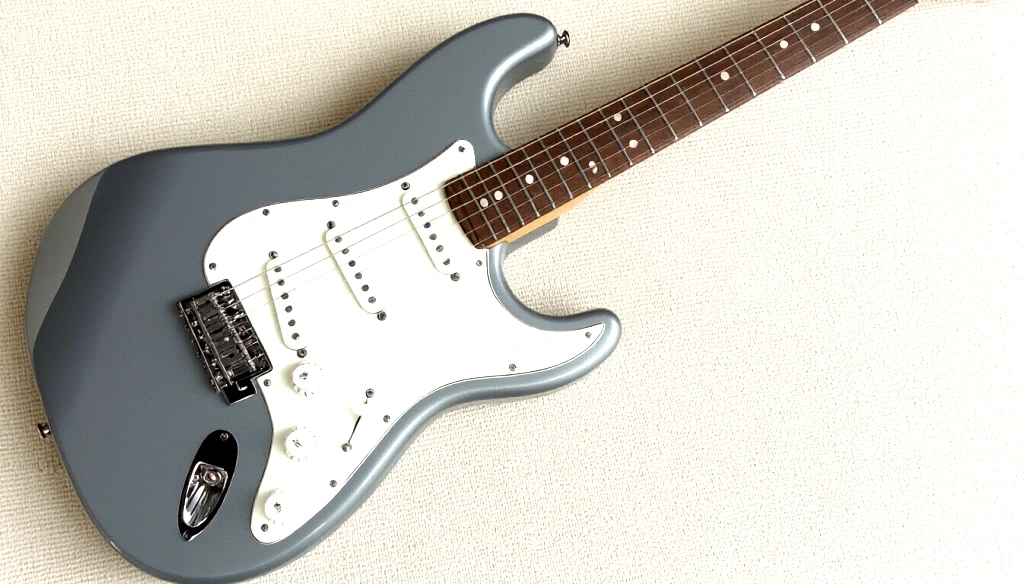
Bass playing is an exhilarating journey that can enrich your musical skills, and with bass guitar lessons online, you have the opportunity to learn at your own pace and convenience. I believe that finding the right resources and instructors can make a significant difference in your progress. Online lessons provide you with access to expert guidance, flexible scheduling, and a diverse range of techniques tailored to your style. Let me guide you through the best platforms and approaches to mastering the bass guitar from the comfort of your home.
Key Takeaways:
- Convenience: Online bass guitar lessons offer flexible scheduling, allowing you to learn at your own pace and from the comfort of your home.
- Variety of Resources: Many online platforms provide access to diverse instructional materials, including video tutorials, sheet music, and interactive exercises.
- Expert Instruction: You can find experienced instructors from around the world, giving you the opportunity to learn different styles and techniques tailored to your skill level.
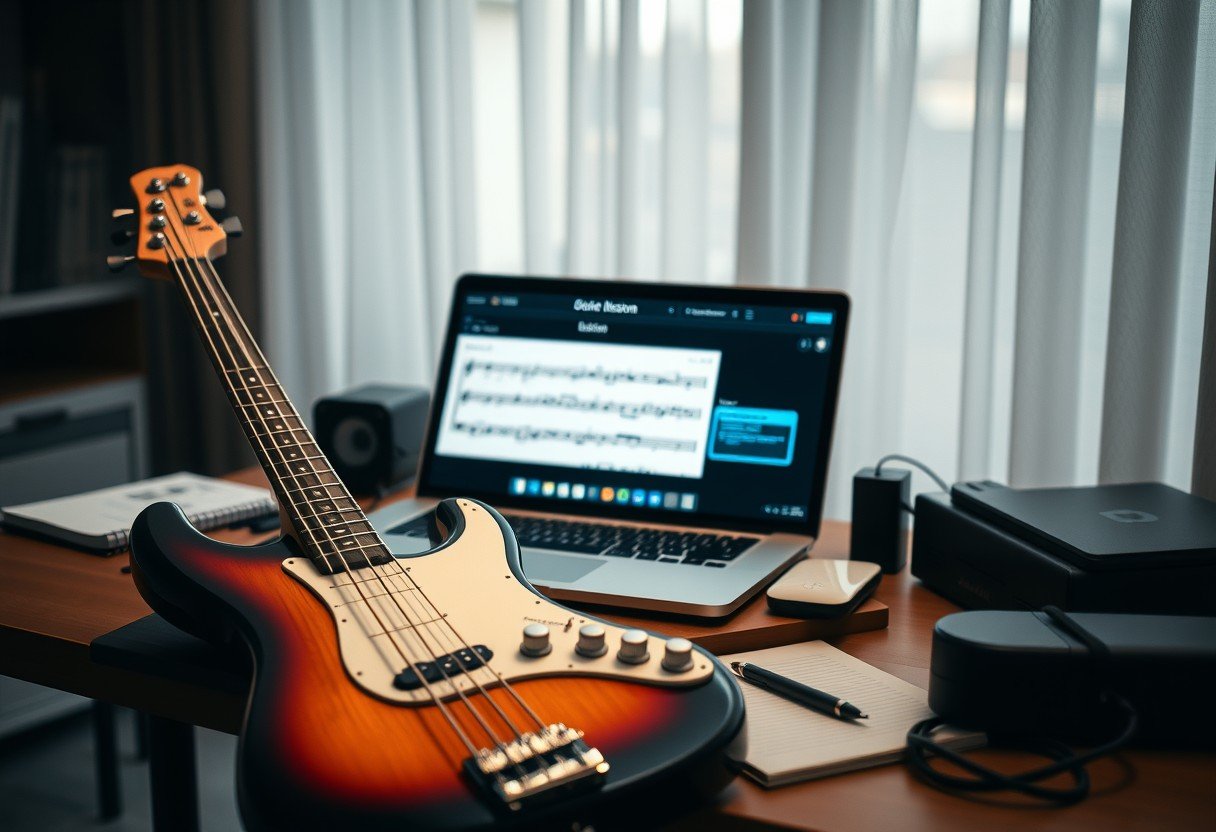
Understanding the Bass Guitar
For anyone beginning their musical journey, understanding the bass guitar is important. It plays a unique role in a band and can significantly enhance your musical skills.
Anatomy of the Bass Guitar
With its distinct features, the anatomy of the bass guitar consists of several key components. The body shapes the sound, while the neck houses the frets that allow you to play notes. Other important parts include pickups, which capture the vibrations, and the bridge, which helps in tuning.
Types of Bass Guitars
Types of bass guitars can be categorized in various ways, each with its unique sound and playing style. Here’s a breakdown:
| Electric Bass | Most common and versatile type. |
| Upright Bass | Traditional, more prominent in jazz and classical. |
| Fretless Bass | Allows for smooth glissandos and unique tonal flexibility. |
| Five or Six String Bass | Offers extended range for complex chords and solos. |
| Short Scale Bass | Ideal for easier playability and finger reach. |
This variety not only adds texture to the music but also allows you to choose one that best fits your style. Here’s a list of some key points regarding the types of bass guitars:
- Most popular is the Electric Bass, widely used in multiple genres.
- For those wanting a traditional sound, Upright Basses are ideal.
- If you seek versatility in tonal quality, consider a Fretless Bass.
- Those in need of extended range might prefer a Five or Six String Bass.
- For a beginner-friendly option, look at the Short Scale Bass.
Knowing the right type for your needs can have a profound impact on your playing experience.
Importance of the Bass in Music
Understanding the bass’s role in music is crucial for any aspiring musician. The bass serves as the foundation of most music genres, creating a bridge between the rhythm and harmony.
It can support the other instruments, providing crucial rhythmic elements. The bass guitar serves to both enhance the musical structure and provide groove in a song. It is vital to remember that a solid bass line can make or break a track, giving depth and excitement to your sound.
Benefits of Online Bass Guitar Lessons
Even the most experienced musicians recognize the importance of effective learning methods, which is why online bass guitar lessons have gained immense popularity. These lessons offer various advantages that traditional learning may lack, making them an ideal choice for both beginners and seasoned players alike.
Flexibility and Convenience
Bass guitar enthusiasts can enjoy the significant advantage of flexibility and convenience when opting for online lessons. You can schedule your practice sessions around your personal commitments, eliminating the need for long commutes to a physical location. This flexibility enables you to learn at your own pace and on your own schedule.
Variety of Learning Resources
Guitar learners today have unprecedented access to diverse learning resources through online platforms. You’ll find a wide array of video tutorials, instructional blogs, e-books, and interactive apps designed to enhance your skills. This variety ensures that you can choose the materials that best suit your learning style and preferences.
This abundance of learning resources significantly enriches your educational experience. Whether you prefer watching video demonstrations or reading written guides, you’ll find options that cater to your individual needs. The capability to revisit materials multiple times allows you to deepen your understanding and mastery of various techniques at your own pace.
Access to Expert Instructors
The online learning environment provides you with access to expert instructors that may not be available locally. You can learn from some of the best bass guitarists worldwide, gaining insight and knowledge that can significantly accelerate your progress. This access ensures you receive high-quality guidance and personalized feedback.
Learning from expert instructors enhances your playing technique and introduces you to advanced concepts that can elevate your skills. You’ll benefit from tailored lessons that address your specific challenges while being able to communicate freely with seasoned professionals who understand the intricacies of bass guitar playing. This direct interaction fosters a deeper understanding, allowing you to develop as a musician quickly.
Choosing the Right Online Platform
All aspiring bass guitarists need to consider the right online platform for their lessons. With many available options, it’s vital to find one that aligns with your learning style and goals.
Comparison of Popular Platforms
The following table outlines some of the popular platforms for online bass guitar lessons, highlighting their features:
| Platform | Notable Features |
|---|---|
| Udemy | Variety of courses, lifetime access |
| Skillshare | Hands-on projects, community feedback |
| Fender Play | Beginner-friendly, song-focused lessons |
| JamPlay | Wide range of styles, live lessons |
Evaluate Instructor Qualifications
On choosing a platform, it’s imperative to assess each instructor’s qualifications.
This means looking at their experience and background in music. An instructor with a strong reputation in the bass community can provide valuable insights, ensuring that you receive quality instruction. I recommend checking their credentials, previous student reviews, and any performance experience to gauge their teaching effectiveness and style.
Features to Look For in Online Lessons
With so many options, it’s crucial to identify the features that will enhance your learning experience.
Evaluate aspects like video quality, lesson variety, and interactivity. Look for platforms that offer a mix of structured lessons and opportunities for real-time feedback. A variety of lesson formats helps keep you engaged and caters to different learning preferences, making it easier to absorb and apply techniques.
Fundamental Techniques for Beginners
After starting your journey with the bass guitar, mastering fundamental techniques is crucial. These techniques will form the foundation for your playing and help you develop the skills needed to progress further. I encourage you to focus on finger placement, understand notation, and practice simple scales and exercises consistently.
Basic Finger Placement and Positioning
On the bass guitar, proper finger placement and positioning are imperative for achieving a clean sound and enhanced playability. I recommend that you position your fingers close to the frets without being too far away, as this will help you produce a strong, crisp note. Ensure your thumb rests on the back of the neck for support, allowing your fingers to move freely.
Understanding Bass Clef Notation
Notation is vital for learning to read music as a bass guitarist. I suggest familiarizing yourself with the bass clef, which is a way to read music specifically for lower-pitched instruments like the bass guitar. Each line and space represents a different note, and understanding this system will greatly assist you in following music and developing your skills.
Basic understanding of the bass clef includes recognizing that the notes on the staff represent E, G, B, D, and F from bottom to top. I highly recommend that you practice identifying these notes regularly, as it will help you read music more efficiently. A solid grasp of bass clef notation will enable you to play songs accurately and improve your sight-reading skills.
Simple Scales and Exercises
Exercises involving simple scales are a fantastic way to build your technique and finger strength. I encourage you to practice major and minor scales, starting with the open position and progressing to different positions as you improve. These scales will help you develop your muscle memory and overall familiarity with the instrument.
To enhance your playing and reinforce your learning, incorporate simple exercises into your daily practice routine. For instance, practicing scales in ascending and descending order will not only improve your technique but will also help you develop a good ear for music. These exercises lay the groundwork for more complex rhythms and patterns as you advance in your bass guitar journey.

Advancing Your Skills
Many musicians dream of taking their bass guitar skills to the next level. To help you achieve that, I highly recommend exploring Online Video Bass Lessons that cater to more advanced techniques and various styles. By engaging with these resources, you’ll find the guidance you need to refine your technique and truly express your musical identity.
Intermediate Techniques and Styles
One way to advance your bass skills is by focusing on intermediate techniques and exploring different musical styles. Incorporating techniques like slapping, popping, and using harmonics can greatly enhance your versatility and establish a stronger foundation.
Improvisation and Soloing Essentials
The key to truly expressing yourself on the bass lies in mastering improvisation and soloing importants. Learning how to create melodies, riffs, and solos will allow you to take your playing to exciting new heights.
Intermediate players often find that building their improvisational skills is both challenging and rewarding. Experimenting with different scales and modes can help you develop a unique voice on your instrument. Don’t hesitate to try playing over backing tracks or with other musicians to gain confidence and improve your spontaneity.
Learning to Play in a Band
With your advancing skills, it’s important to learn how to play effectively in a band setting. Collaborating with others not only enhances your timing and rhythm, but it also helps you adapt your playing style to suit various musical environments.
Improvisation in a band context can be both exhilarating and daunting. Playing with other musicians challenges you to listen actively and respond to their dynamics, leading to a more cohesive and engaging performance. It’s during these collaborative experiences that I’ve found my own sound and style truly begins to shine. Putting in the effort to develop your skills together with other band members will bring your musicality to another level.
Troubleshooting Common Challenges
Once again, as you examine online bass guitar lessons, you may encounter a few challenges. It’s completely normal, and knowing how to navigate these hurdles can enhance your learning experience. Let’s examine some common issues and explore effective solutions.
Overcoming Frustration in Learning
Any frustration you experience during your learning journey is a signal to reassess your approach. It’s important to recognize that mistakes are part of the process. Embrace them, and turn your frustrations into teaching moments that lead to greater understanding and skill development.
Maintaining Motivation and Discipline
Learning an instrument can ebb and flow when it comes to motivation. I understand that various factors may affect your commitment level, but maintaining a consistent practice schedule can significantly improve your progress.
Plus, establishing a structured routine helps solidify your discipline. I find that practicing at the same time each day creates a habit, making it easier to stay focused. Surrounding myself with inspirational music and engaging with fellow bassists online keeps my passion alive, fueling my curiosity to learn more.
Setting Realistic Goals
Challenges arise when we set goals that are overly ambitious. Ensuring your targets are attainable ensures lasting progress and boosts your confidence along the way.
Motivation can falter when I aim for goals that are too high. By breaking down larger objectives into smaller, more manageable ones, you can celebrate achievements regularly. This systematic approach not only builds your skills but also instills a sense of accomplishment, encouraging you to persist. Bear in mind, even small victories in bass guitar learning matter significantly!
Resources for Continued Learning
Your journey in learning the bass guitar doesn’t have to stop after your online lessons. There are numerous resources available to help you continue to improve your skills and deepen your understanding of music theory. From books to online communities, these tools will aid you in becoming the bassist you aspire to be.
Recommended Books and Materials
To enhance your learning experience, I recommend investing in a few well-regarded books and materials tailored for bass guitar. Titles like “The Complete Bass Player” by Bruce Gertz or “Bass Guitar For Dummies” provide comprehensive insights into techniques and music theory. These resources can serve as a solid foundation for developing your unique style.
Online Communities and Forums
For those looking to connect with fellow bass enthusiasts, I suggest exploring online communities and forums. Engaging with others in these spaces can provide valuable insights, advice, and support. You’ll find it not only useful for sharing experiences but also a great way to gather new ideas and inspiration.
Books come highly recommended in these communities, often highlighting how social interactions and shared experiences can accelerate your learning process. You can ask questions, share your progress, and get constructive feedback from experienced players or those who are learning just like you. Platforms such as Reddit or dedicated bass forums offer a wealth of collective knowledge that can help you navigate challenges and celebrate successes.
YouTube Channels and Video Tutorials
An excellent way to virtually engage with bass guitar instruction is through YouTube channels and video tutorials. Channels like “Scott’s Bass Lessons” or “BassBuzz” offer a range of lessons that span from beginner to advanced topics, making it easier to find content that suits your individual pace.
Video tutorials can be particularly beneficial as they provide a visual and auditory way to learn techniques. I often find that watching an expert perform a piece allows me to grasp tricky rhythms and finger placements much faster than reading alone. Plus, the ability to pause and replay sections ensures you can practice at your own pace, reinforcing your skills effectively.
Conclusion
To wrap up, I believe that bass guitar lessons online offer a flexible and effective way for you to enhance your skills and express your musicality. With the abundance of resources available, you can tailor your learning experience to fit your unique style and pace. Whether you’re a beginner seeking foundational knowledge or an advanced player looking to refine specific techniques, online lessons can provide valuable guidance. Embrace this opportunity, and you’ll find that mastering the bass guitar is within your reach!