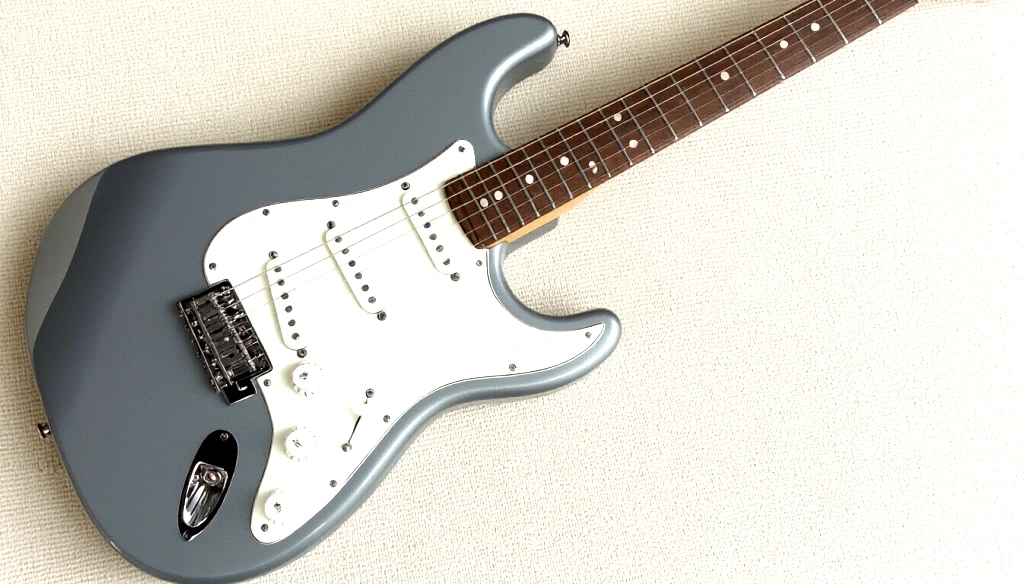
Many beginners and even seasoned players seek out guitar lessons for electric guitar to enhance their skills and unlock their musical potential. As I guide you through imperative techniques, you’ll discover the joy of playing with precision and creativity. Understanding the fundamentals, from chord progressions to solo improvisation, will elevate your playing and prevent the frustration that comes with poor habits. Whether you aim to shred like a rockstar or sweeten your sound, my lessons are tailored to meet your unique goals and aspirations in your musical journey.
Key Takeaways:
- Fundamentals: Understanding the basic techniques such as proper finger placement, strumming patterns, and chord structures is crucial for mastering the electric guitar.
- Practice Routine: Establishing a consistent and effective practice routine enhances skill development and promotes muscle memory, crucial for playing more complex pieces.
- Music Theory: Learning basic music theory will help with improvisation and songwriting, enabling players to understand scales, chords, and key signatures more effectively.
Fundamentals of Electric Guitar
Your journey into the world of electric guitar begins with a solid understanding of its fundamentals. From mastering the anatomy of the instrument to choosing the right gear, I’ve curated imperative information that will set you up for success. If you’re looking for an interactive, engaging way to learn, consider checking out Fender Play Online Guitar Lessons – Learn How to …. Let’s dive in!
Anatomy of the Electric Guitar
Electric guitars consist of several vital components, including the body, neck, headstock, and pickups. The body shapes, such as solid, semi-hollow, and hollow, significantly affect the sound. Understanding each part’s function will help you appreciate the instrument and tailor your playing style.
Choosing the Right Electric Guitar
The selection of your electric guitar is crucial. You’ll want to consider factors such as your playing style, budget, and the genre you prefer. Each electric guitar has its unique tone and feel, making it imperative to try different options to find the perfect fit.
Guitar brands offer a variety of choices, from affordable models for beginners to high-end instruments for experienced players. I recommend visiting local music shops to physically test guitars and see which one feels the best in your hands. Pay attention to the neck profile, pickup configurations, and overall weight, as they can influence your playing experience and comfort.
Essential Gear and Accessories
For an optimal playing experience, acquiring imperative gear and accessories is key. This includes a quality amplifier, guitar picks, cables, and a comfortable strap, among other items. These accessories not only enhance your performance but also protect your instrument.
Accessories such as guitar stands, cases, and tuners play a significant role in maintaining your electric guitar’s condition. Investing in good-quality gear will ensure that you can focus on your practice and enjoy the experience without worrying about equipment failures or safety issues.

Basic Techniques
It’s important to develop a solid foundation when learning electric guitar. Mastering the basic techniques will help you progress faster and enhance your musical expression. In this chapter, I will guide you through the critical aspects of holding the guitar, strumming and picking techniques, as well as finger placement and fretting.
Holding the Guitar
To start, it’s crucial to hold your guitar correctly. Ensure that the body of the guitar rests comfortably against your right leg, while the neck aligns with the left side of your body. Keep your back straight and use your left hand for better maneuverability. This will provide stability and help you avoid strain while playing.
Strumming and Picking Techniques
Techniques such as strumming and picking are fundamental to your guitar playing. Utilize a pick for precise notes or use your fingers for a more organic sound. Experiment with different techniques to find what suits your style best and enhances your playing experience.
Picking requires you to develop a rhythm and consistency. Try practicing alternate picking, which involves alternating between downstrokes and upstrokes with your pick. This not only improves your speed but also allows for more dynamic playing. I encourage you to incorporate varied strumming patterns to add depth to your music. Keep in mind, the more you practice, the more comfortable you will become.
Finger Placement and Fretting
Placement of your fingers on the fretboard is key to producing clear notes. Make sure your fingers press down firmly but not too hard, as this can cause unnecessary tension and discomfort. Position your fingertips just behind the fret wires for optimal sound quality.
The correct finger placement ensures that your notes ring out clearly without buzzing. It’s important to develop muscle memory by practicing your scales and chords regularly. Pay attention to the pressure and placement of your fingers, as improper fretting can lead to poor sound quality. Consistent practice will enhance your agility and make transitioning between chords smoother.
Understanding Music Theory
Once again, we find ourselves diving deeper into the necessary foundations of music theory. For an electric guitar player, grasping these concepts can significantly elevate your playing, allowing you to express yourself creatively and understand the music you love on a deeper level.
The Musical Alphabet
Alphabetically speaking, the musical alphabet comprises the first seven letters of the alphabet: A, B, C, D, E, F, and G. These letters represent different notes, and they repeat in cycles across different octaves. As you explore the fretboard of your electric guitar, you will discover that becoming familiar with this musical alphabet is crucial for your progress.
Chords and Scales
For any aspiring guitarist, chords and scales are the building blocks of your musical journey. Chords are formed by playing multiple notes simultaneously, while scales consist of a sequence of notes played in ascending or descending order. Understanding these concepts will not only enhance your technique but will also enable you to improvise and create original phrases in your playing.
Another important aspect of chords and scales is their interrelation. When you learn a scale, you inherently discover which chords fit within that scale, allowing for harmonically rich compositions. For instance, mastering the major and minor scales opens up a variety of chord progressions for you to explore, giving you more freedom to express your musical ideas and create distinct emotional atmospheres.
Rhythm and Time Signatures
Understanding rhythm is fundamental to making your music compelling and engaging. Time signatures dictate how many beats are in a measure and how those beats are divided. A common time signature is 4/4, where there are four beats per measure, making it easier for you to stay in sync while playing with others.
Rhythm can transform a simple melody into a captivating piece of music. By mastering different rhythms and incorporating varied time signatures, you can add complexity and depth to your playing. Experimenting with syncopation and polyrhythms, for example, can further enhance your musical palette, leading to more dynamic and interesting performances that captivate your audience.
Learning Songs
Unlike many instruments, electric guitar offers a diverse range of genres and styles, making it a joy to learn songs that resonate with your musical taste. Engaging with actual songs not only enhances your skills but also makes practice far more enjoyable.
Finding Suitable Song Material
The key to finding suitable song material lies in choosing tunes that match your current skill level. Start with simple riffs or chord progressions that you can reasonably tackle without feeling overwhelmed. This approach will keep you motivated while you enjoy the learning process.
Breaking Down a Song
Finding the right approach to dissecting a song is necessary for mastering it effectively. By listening carefully and identifying the key parts, you can understand its structure and elements, making it easier to learn.
It’s important to break a song down into manageable sections. Focus on one part at a time—such as the intro, verse, chorus, or solo. This way, you can gradually learn how it all fits together, allowing you to build muscle memory and confidence with every section.
Practice Tips for Learning Songs
Practice is crucial when it comes to learning songs on the electric guitar. To maximize your learning experience, I recommend the following:
- Play along with the original recording for a sense of timing and rhythm.
- Use a metronome to develop your timing and consistency.
- Focus on section by section instead of trying to learn the whole song at once.
- Record yourself to identify areas of improvement.
Any practice provides the foundation for your growth as a guitarist!
Learning the nuances of a song can make a significant difference in how you perform it. Therefore, it’s necessary to have a focused and dedicated approach. Here are some additional tips for maximizing your practice:
- Set specific goals for each practice session.
- Warm up before submerging into the song to avoid injury.
- Be patient; perfection comes with time and dedication.
- Enjoy the process, and celebrate small victories to stay motivated.
Any positive reinforcement will encourage you to keep progressing in your electric guitar journey!
Techniques for Improvisation
Many guitarists seek to expand their creativity through improvisation. By mastering a few techniques, you can elevate your skills and play with more confidence and expression. I’ll share some vital strategies for improvisation, focusing on scale practice, the use of backing tracks, and common techniques that can help you find your unique voice on the electric guitar.
Scale Practice for Improvisation
To improvise effectively, it’s crucial that you understand and practice different scales. I recommend starting with the minor pentatonic and major scales. By familiarizing yourself with their patterns and notes, you’ll discover that they serve as the foundation for countless riffs and solos. Regular practice will enhance your ability to think and play on the spot.
Using Backing Tracks
Improvisation is significantly easier and more effective when you use backing tracks. These tracks provide a harmonic and rhythmic foundation that allows you to explore your creative instincts freely. You can find numerous backing tracks online in various genres, which will help you apply scales and licks in a musical context.
Another benefit of using backing tracks is that they allow you to develop your timing and phrasing in a realistic setting. You can record your improvisations, listen back, and refine your approach. With practice, you’ll find it easier to express yourself, whether you’re in a jam session or performing live.
Common Improvisational Techniques
Techniques such as bending, slides, and hammer-ons are fundamental to making your improvisation sound alive. Incorporating these techniques into your practice will help your playing feel more expressive and dynamic. I encourage you to experiment with different styles and apply these techniques in various contexts.
The key to mastering these common improvisational techniques is consistent practice and experimentation. As you start to incorporate them into your solos, pay attention to how they change your sound. Remember that improvisation is about exploration, so don’t hesitate to make mistakes and learn from them; they can lead you to unexpected and exciting musical discoveries.

Advanced Playing Techniques
Keep in mind that mastering advanced playing techniques is vital for any serious electric guitarist. These techniques will not only enhance your technical skill but also elevate your musical expression. Here are some fundamental advanced techniques you should focus on:
- Hammer-Ons and Pull-Offs
- Slides and Bends
- Tapping and Harmonics
Advanced Techniques Overview
| Technique | Description |
| Hammer-Ons and Pull-Offs | Techniques that involve smooth transitions between notes without picking each note. |
| Slides and Bends | Methods of transitioning between notes on the same string, creating expressive slides and pitch bends. |
| Tapping and Harmonics | Advanced ways to produce notes using both hands, along with unique tonal effects. |
Hammer-Ons and Pull-Offs
To perform hammer-ons and pull-offs, you need to strike a note and then use a finger to “hammer” onto a higher note without picking again, or “pull off” to lower notes. These techniques can create fluidity and speed in your playing, making your solos sound more dynamic.
Slides and Bends
With slides and bends, you can add significant expressiveness to your playing. Sliding between notes allows for a smooth transition that can evoke emotion, while bends let you manipulate the pitch of a note, emphasizing its character.
This technique is particularly powerful in electric guitar solos, where subtle pitch variations can convey feelings that words often can’t. By starting from a note and sliding to another, you create a sense of continuity in your melody. Practicing slides requires control to prevent unintended noise, ensuring that you can seamlessly move between pitches without breaking the rhythm of your performance. The emotional intensity achieved through bends is unparalleled, as it gives you the ability to extract pure expression from your notes.
Tapping and Harmonics
On the electric guitar, tapping and harmonics provide exciting ways to expand your sound palette. Tapping involves using your picking hand to execute notes on the fretboard, opening up the opportunity for rapid note sequences without needing to pick every note. Harmonics add a ethereal quality to your tone, creating notes that sound distinctly different from standard fretted notes.
Techniques like tapping can transform your playing style, offering an opportunity for increased speed and complexity in your solos. By utilizing both your hands for fretting notes, you can create rapid-fire sequences that can sound impressively intricate and fluid. Harmonics, on the other hand, are delicate techniques that require careful positioning, where you lightly touch the string at specific points to produce bell-like tones. This diverse array of advanced techniques not only enhances your skill set but also enriches your musical expression, making your performances truly memorable.
Developing Your Own Style
After mastering the basics of the electric guitar, the next exciting phase is developing your own unique style. This journey is about discovering what resonates with you and expressing your musical ideas authentically. Your style will evolve as you glean influences from various sources and tap into your creativity.
Influences and Inspiration
On my journey as a guitarist, I found that understanding my influences helped shape my sound. Musicians I admired opened doors to new genres and techniques that inspired my playing. Rather than mimicking them, I studied their styles to extract elements I could blend into my own artistic expression.
Experimenting with Genres
Your exploration of different genres can significantly contribute to defining your style. By stepping outside your comfort zone, you can uncover new techniques and sounds that influence the way you play the guitar.
This experimentation might mean jamming with friends in various genres ranging from rock to blues, jazz, or even funk. Each genre can bring diverse techniques into your repertoire, such as unique strumming patterns or fingerpicking styles. I encourage you to draw from these experiences to find elements that excite you and incorporate them into your playing, ultimately crafting a personalized sound that reflects your influences and experiences.
Incorporating Effects and Sound Modulation
To further cultivate your unique sound, consider incorporating effects and sound modulation. Utilizing pedals and effects can dramatically shift your tone, allowing you to enhance your creativity and expressiveness.
Inspiration to experiment with effects can come from your favorite guitarists who use overdrive, delay, and reverb to create distinct sounds. I find that layering different effects not only enhances my music but also adds new dimensions to my style. By understanding how to manipulate these tools, you can develop a sonic identity that sets you apart from others, making your music truly your own. Keep in mind, the ultimate goal is to create something that resonates with both you and your audience.
Final Words
With these considerations, I believe that taking electric guitar lessons can significantly enhance your musical journey. Whether you choose online classes or in-person guidance, the right lessons will help you develop your skills, refine your technique, and unlock your creativity. I encourage you to seek a teacher who aligns with your goals and interests, ensuring a fulfilling learning experience. Be mindful of, consistency and practice are key, and soon, you’ll be able to express yourself through this dynamic instrument with confidence and style.