Many beginners often feel overwhelmed when starting their journey with the electric guitar, but I assure you, it can be an incredibly rewarding experience. In this post, I will guide you through crucial tips and techniques that will help you build a solid foundation. You’ll learn about basic chord progressions, strumming patterns, and common mistakes to avoid, which will enhance your skills and boost your confidence. With practice and dedication, you will be strumming along to your favorite songs in no time!
Key Takeaways:
- Fundamentals: Master the basic techniques such as holding the guitar, finger placement, and strumming patterns to establish a strong foundation.
- Practice Consistency: Regular practice sessions, even if short, are key to improving your skills and building muscle memory.
- Learning Resources: Utilize a variety of resources, including online tutorials, apps, and books, to enhance your learning experience and stay motivated.
Understanding the Electric Guitar
A deep examine the electric guitar reveals its complexities and beauty. This understanding is vital for any aspiring musician.
History of the Electric Guitar
Below, I’ll share that the electric guitar has evolved significantly since its invention in the early 20th century. Initially designed to address volume issues faced by acoustic guitars, the electric guitar saw breakthroughs through innovation in technology and design, making it a staple in various music genres.
Types of Electric Guitars
Below are some types of electric guitars that I found to be popular:
| Solid-body | Best for a range of music styles. |
| Hollow-body | Ideal for jazz and blues. |
| Semi-hollow | Offers versatility between solid and hollow-bodies. |
| Extended-range | Perfect for advanced players looking for more notes. |
| Signature models | Designed based on famous guitarists’ preferences. |
In addition, each type offers a unique sound and playability. As a beginner, knowing your style can influence your choice. Any guitar can unlock your creativity.
Key Components of an Electric Guitar
Below are the main components that you should become familiar with before starting:
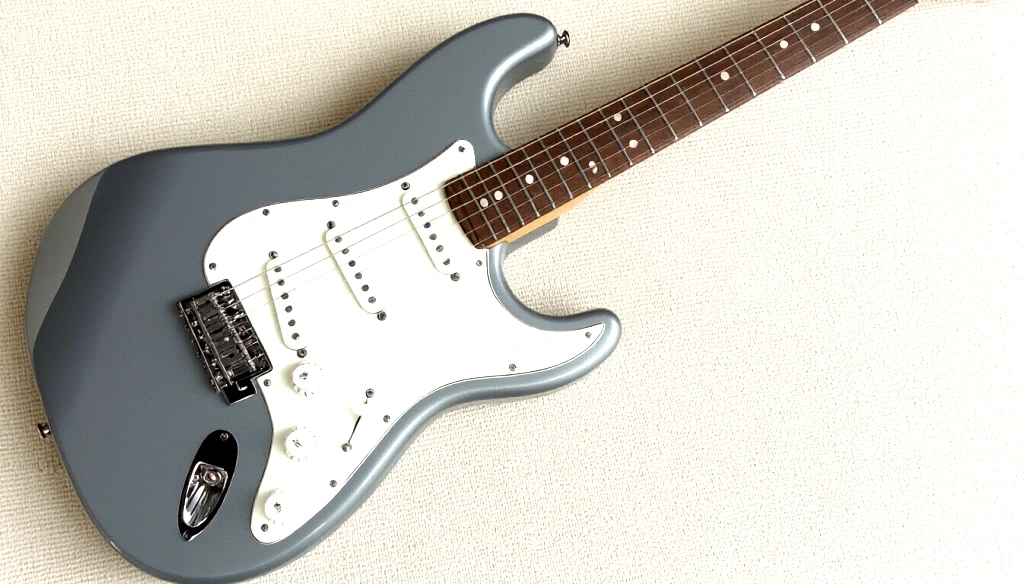
| Body | Influences the overall sound. |
| Neck | Affects playability and comfort. |
| Pickups | Convert string vibrations into an electric signal. |
| Bridge | Holds strings in place and affects tuning. |
| Controls | Includes volume and tone knobs. |
Indeed, understanding these components can significantly enhance your playing experience. They play a role in shaping your sound and aesthetics. It’s important to get acquainted with them as you learn.
Choosing the Right Electric Guitar for Beginners
Beginners should prioritize comfort and playability when selecting their first electric guitar. You need a guitar that feels good in your hands, as this encourages you to practice more.
Understanding different types, as I mentioned earlier, will assist you in making the right decision. Look for a model that fits both your budget and your style. Any starter guitar that feels right will foster your love for music.
Essential Gear
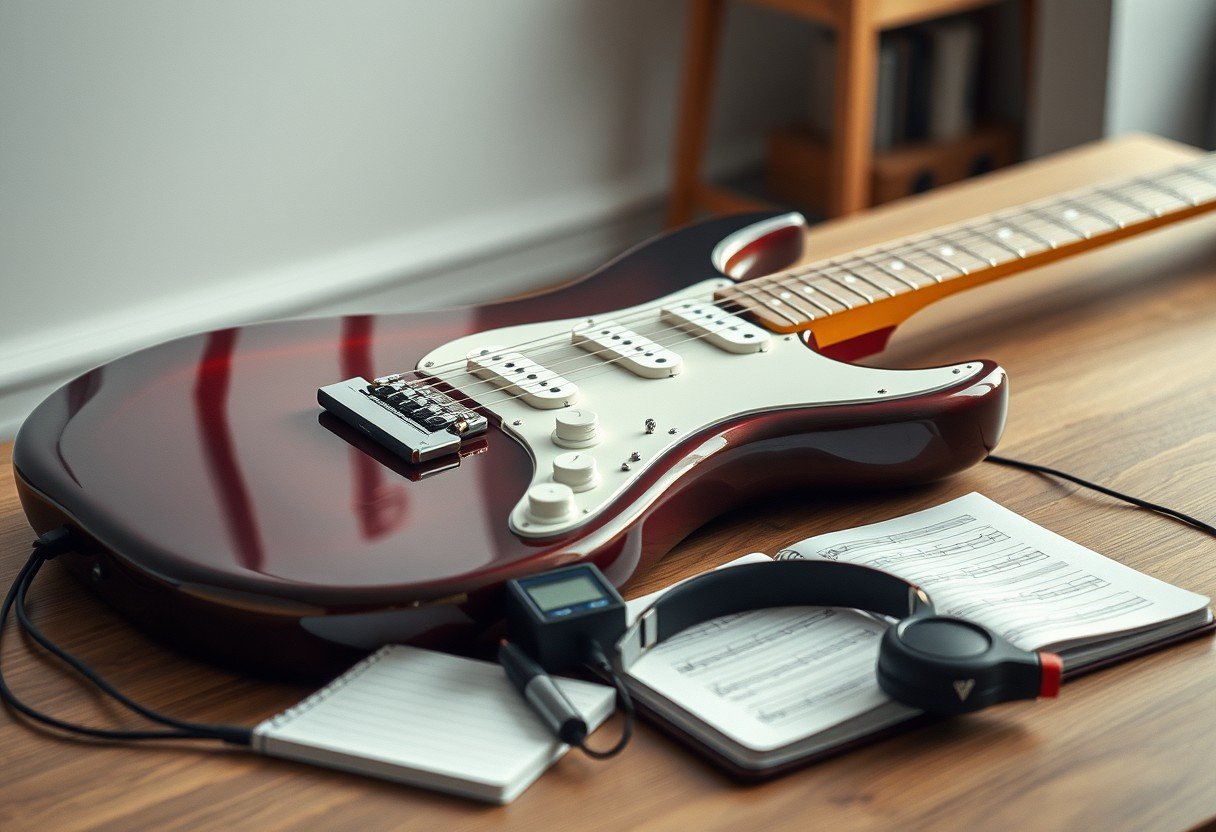
Even if you are just starting your journey into the world of electric guitars, investing in the right gear can significantly enhance your learning experience.
Amplifiers Explained
One of the vital components of an electric guitar setup is the amplifier. It boosts the weak signal generated by your guitar, allowing you to project sound at various volumes. Different amplifiers offer unique tones and features, catering to various playing styles, from clean to distorted sounds that can complement your music.
Guitar Picks: Types and Usage
After selecting your guitar, it’s time to consider guitar picks. These small tools influence your playing style and tone significantly. Here’s a brief overview:
| Pick Material | Different materials like plastic, metal, and wood offer various tonal qualities. |
| Thickness | Thinner picks provide flexibility, while thicker ones allow for more control. |
| Shape | Standard, jazz, and triangular shapes each provide distinct playing experiences. |
| Grip | Some picks have textured grips for better handling during play. |
| Brand | Popular brands often have their signature picks that musicians prefer. |
Further exploring the world of guitar picks, their usage largely determines your sound and technique. Experimenting with different types can help you find the one that suits your playing style. Here are some vital points:
- Your choice of guitar picks affects both tone and technique.
- Experiment with various materials to discover your favorite.
- Consider the thickness for different playing styles.
- Shapes can influence your strumming and plucking.
- After finding a suitable pick, don’t hesitate to try different brands.
| Usage | Different genres may require varying pick styles. |
| Technique | The way you hold the pick impacts your playing. |
| Picking Patterns | Experiment with alternate picking for speed. |
| Strumming | Use a lighter pick for a smoother strum. |
| Player Preference | The best pick is the one you feel comfortable with. |
Cables and Connectors
Between your guitar and amplifier, cables play a vital role in transmitting sound without interference. Quality cables ensure clarity and reduce noise, enhancing your playing experience.
This highlights the importance of connecting your instruments properly. High-quality cables can prevent signal loss and distortion. Look for cables with durable connectors that can withstand frequent use to avoid issues during practice or performance.
Accessories for Beginners
The use of accessories is vital for enhancing your electric guitar experience. Accessories like tuners, straps, and capos make your playing more comfortable and enjoyable.
Accessories can significantly support your learning process. For instance, a quality guitar strap allows you to play standing up, while a tuner ensures your guitar remains in tune. These tools can enhance your practice sessions, ultimately leading to faster progress in your guitar journey.
Basic Music Theory for Guitar
Your understanding of basic music theory will greatly enhance your progress as a guitarist. Music theory helps you grasp how music works, making it easier to learn songs, create melodies, and improvise. By familiarizing yourself with crucial concepts such as tuning, notes, scales, chords, rhythm, and reading music, you’ll lay a solid foundation for your guitar journey.
Understanding Guitar Tuning
The first step in your guitar learning experience is ensuring your instrument is in proper tuning. Standard tuning for a six-string guitar is E-A-D-G-B-e, from the thickest to the thinnest string. You can use an electronic tuner, tuning app, or even pitch pipes to help you achieve the right pitch. A well-tuned guitar not only sounds better but also helps you develop your playing skills accurately.
Notes, Scales, and Chords
The next crucial concept is notes, which are the building blocks of music. A note is simply a sound with a specific pitch, and when combined, they form scales and chords. Scales are sequences of notes that create a musical foundation, while chords are combinations of notes played simultaneously. Understanding how these elements interact allows you to play melodies and harmonies effectively.
But as you examine deeper, you’ll find that different scales, like major and minor, evoke various emotions and moods in music. Familiarizing yourself with common chord progressions will not only enhance your playing but also help you understand songwriting better. Practice forming chords and recognize the relationship between chords and scales to unlock new musical possibilities.
Rhythm and Timing Fundamentals
About rhythm and timing, these elements are what give music its structure and flow. As a guitarist, you’ll need to ensure your playing fits in with the rhythm of a piece, which involves understanding time signatures and how to keep a steady tempo. Familiarizing yourself with various rhythms will significantly improve your overall musicality.
To master rhythm and timing, I suggest tapping your foot or using a metronome while practicing. By focusing on playing in time, you will develop a solid sense of groove. This will contribute to your ability to keep time accurately while playing along with other instruments or backing tracks.
Reading Guitar Tabs and Sheet Music
One of the most valuable skills you can learn is reading guitar tabs and sheet music. Guitar tabs provide a simplified visual representation of where to place your fingers on the fretboard, while sheet music offers a more comprehensive view of the melody and harmonies involved. Mastering both will enhance your ability to learn songs quickly and accurately.
Timing is crucial when reading music. You need to understand the length of each note and how they relate to the overall rhythm. This skill will not only improve your playing accuracy but also allow you to collaborate effectively with other musicians. As you practice reading music regularly, you’ll find that it makes learning new pieces much easier and more enjoyable.
Fundamental Techniques
Once again, mastering the fundamental techniques of the electric guitar will set a solid foundation for your musical journey. Let’s explore imperative elements that every beginner should focus on to develop their skills effectively.
Holding the Guitar and Proper Posture
Fundamental to your playing experience, holding the guitar correctly and maintaining proper posture can significantly affect your comfort and performance. I recommend sitting up straight with your feet flat on the ground while keeping the guitar balanced on your leg. Your left hand should be free to navigate the fretboard, while your right hand is positioned over the strings for effortless access.
Basic Strumming Patterns
Between chords, you’ll find that establishing a good sense of rhythm is imperative. Basic strumming patterns help you keep time and enhance your playing dynamics. Start with simple downstrokes and gradually incorporate upstrokes to create a fuller sound.
Due to the importance of keeping a consistent rhythm, practicing simple patterns like down-down-up-up-down will help you build your confidence. Strumming in time with a metronome or playing along to your favorite songs can help you stay focused. As you become more comfortable, experiment with different strumming dynamics to add flavor to your performance.
Finger Placement and Fretting Techniques
To play your favorite chords accurately, understanding finger placement and basic fretting techniques is vital. I suggest using the tips of your fingers to press down on the strings, ensuring that you avoid muting adjacent strings when transitioning between chords.
Considering the striking pressure and positioning, it’s imperative to find the right balance. Placing your fingers too far back can produce a muted sound, while pressing down too hard can create unnecessary tension. Regular practice of chord switches will help build muscle memory, allowing you to play smoother and faster.
Introduction to Picking Techniques
Above all, picking techniques play a key role in shaping your sound. I encourage you to explore both fingerpicking and using a pick, as each method brings a unique quality to your playing style. Start with simple exercises, transitioning between picking and strumming to develop coordination.
This exploration can enhance your overall musicianship. Experimenting with fingerstyle patterns can add depth to your playing, while using a pick can offer a brighter tone. As you progress, find what works best for you and incorporate it into your practice routine to diversify your skills further.

Learning Music
After you’ve grasped the basic techniques of playing the electric guitar, it’s time to examine the world of music. Understanding music not only enhances your skills but also deepens your appreciation for the art. The journey of learning music as a beginner can be exciting and rewarding.
Simple Songs to Start With
To ease into playing, I recommend starting with simple songs that you love. Classic tunes with straightforward chords will help you build confidence and get comfortable pressing strings. Songs like “Smoke on the Water” or “Seven Nation Army” are perfect choices. These tunes allow you to practice playing along to the rhythm while having fun.
Learning to Play by Ear
Start challenging yourself to learn songs by ear. This skill develops your musicality and strengthens your ability to identify notes and chords without relying solely on written music.
It takes practice, but by listening carefully to your favorite songs and picking out the melodies, you’ll find your intuition for music growing. Don’t be frustrated if you don’t get it right immediately; use these moments as stepping stones toward becoming a more versatile guitar player.
The Importance of Practice Routines
An effective practice routine is key to your success as a guitarist. Establishing a structured schedule ensures that you dedicate time to improve your skills consistently.
In fact, having a routine can help you focus on specific areas where you want to improve, such as scales, chords, or techniques. Set aside a specific amount of time each day, and mix different elements like warm-ups, song practice, and new techniques to keep your sessions engaging and productive.
Utilizing Online Resources and Apps
Against the backdrop of modern technology, you have access to numerous online resources and applications that can enhance your learning experience. From tutorials to interactive lessons, these tools can provide instant feedback and inspiration.
With the myriad of platforms available, you can choose resources that suit your learning style. Websites like YouTube, guitar apps, and online courses can provide you with a wealth of information and diverse teaching methods. As you explore these tools, you’ll find valuable lessons that contribute significantly to your growth as a guitarist.
Developing Skills
Unlike many assume, developing your electric guitar skills goes beyond simply learning chords and notes. It encompasses various aspects such as strength, musicality, and collaboration. By focusing on these elements, you will not only become a better player but also enhance your enjoyment of music.
Building Finger Strength and Dexterity
One of the primary challenges I faced as a beginner was building finger strength and dexterity. Practicing simple exercises, like finger stretches and scales, can significantly improve your agility and control over time.
Understanding Dynamics and Expression
Before stepping into complex music pieces, it’s necessary to understand dynamics and expression in your playing. This allows you to convey emotions through your guitar, making your music feel richer and more engaging.
To truly master dynamics and expression, focus on varying your playing intensity. Experiment with techniques like fingerpicking verses strumming, and explore the use of volume control on your guitar. These small adjustments lead to a profound impact on how your music communicates with listeners.
Introduction to Improvisation
Against popular belief, improvisation isn’t solely for advanced players. As a beginner, you can start exploring your creativity and discover your unique sound by improvising over backing tracks or with friends.
Understanding the basics of improvisation will help you become more spontaneous and develop confidence in your musical voice. By learning scales and chord progressions, I discovered how to play freely while still maintaining some structure in my improvisation. This balance promotes a fun and expressive musical journey.
Collaborating with Other Musicians
With each lesson, I found that collaborating with other musicians can enhance your skills exponentially. Playing with others brings a fresh perspective, challenges your playing, and fosters a sense of community.
The exchange of ideas and techniques during jam sessions or group lessons allows you to learn from your peers while also sharing your knowledge. This collaborative environment encourages growth, creativity, and a sense of belonging that can elevate your musical journey.
To wrap up
Considering all points, starting electric guitar lessons as a beginner can be an exciting journey that enhances your musical skills and creativity. I encourage you to invest time in practicing basic techniques and chords, as they form the foundation for your progress. With the right guidance, you’ll develop your own unique style and find joy in playing your favorite songs. Embrace the learning process, stay patient, and soon you’ll be strumming along with confidence and passion. Let’s pick up that guitar and get started!