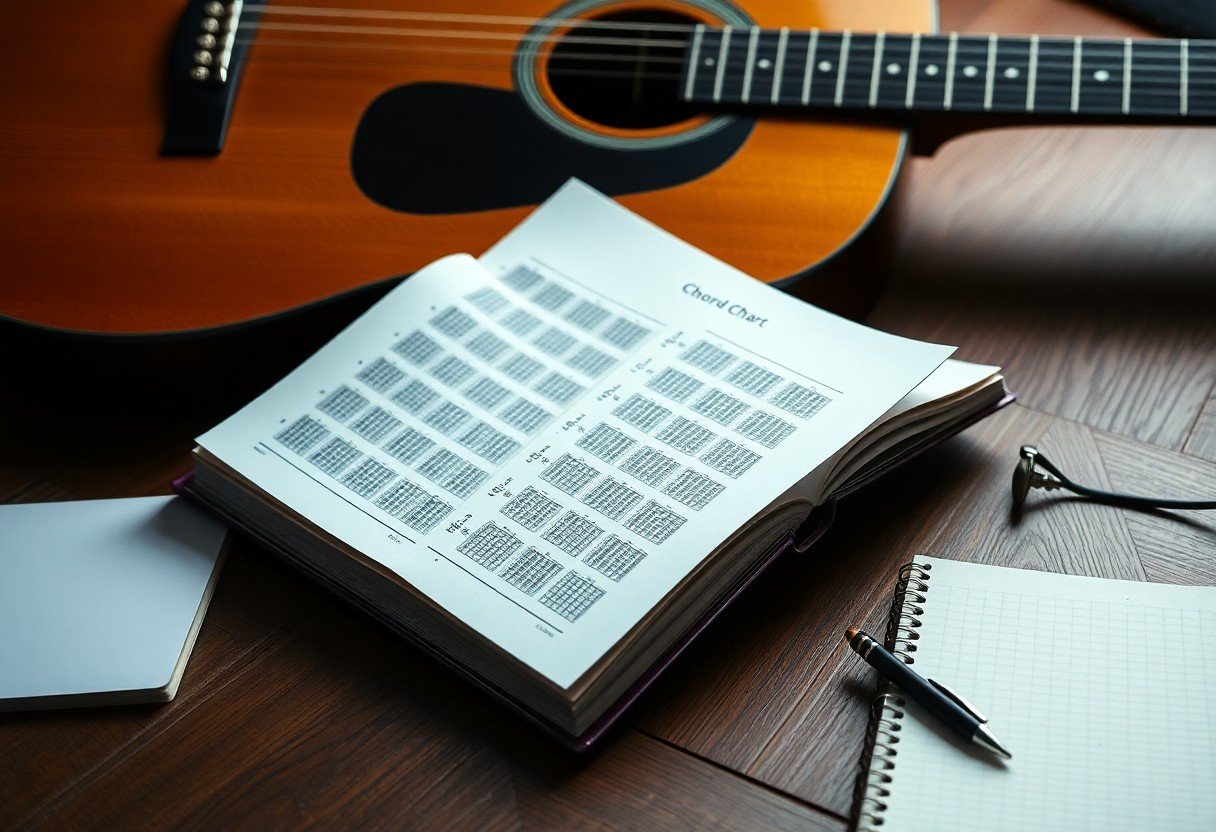
Chords are the foundation of countless songs, and understanding chord charts can significantly enhance your musical journey. In this guide, you’ll learn how to read and interpret these charts effectively, enabling you to play a wide variety of music with ease. From the basics of chord notations to tips on practicing efficiently, you’ll gain insights that will boost your confidence and enjoyment in playing an instrument. Dive in and unlock the power of chord charts to elevate your musical skills!
Key Takeaways:
- Understanding Chord Charts: Chord charts are imperative tools for musicians, providing a visual representation of the chords to be played in a song.
- Readability: Familiarity with chord symbols and their placement helps in quickly interpreting the music, allowing for smoother transitions while playing.
- Practice and Application: Regular practice with chord charts enhances proficiency and encourages experimentation with different songs and styles.
Understanding Chord Charts
While entering into the world of music, it’s necessary to grasp how to read and interpret chord charts. These charts serve as visual guides that allow you to quickly understand the structure of a song, showcasing the chords you’ll play and their progression. Familiarizing yourself with these charts enhances your playing and helps you join in on your favorite tunes with ease.
What are Chord Charts?
The chord chart is a visual representation of a song’s chords laid out in a simplified manner. It generally displays the order in which chords are played through various sections of the song, such as verses, choruses, and bridges. This format allows musicians to focus more on performance rather than memorizing complex sheet music.
Types of Chord Charts
Beside the standard chord charts, you’ll find several variations designed for specific needs or styles. Understanding the different types can improve your overall proficiency. Here are some common types:
| Type | Description |
| Lead Sheets | Contains melodies with chord symbols for accompaniment. |
| Rhythm Charts | Shows the timing and strumming patterns along with chords. |
| Chord Diagrams | Illustrates finger placements for specific chords. |
| Full Arrangements | Provides detailed sections, including rhythm and dynamics. |
| Transcriptions | Written document translating audio into readable format. |
Plus, exploring these different types of chord charts can greatly enrich your musical journey. Here are some notable features you may encounter:
- Lead Sheets typically include melody alongside chords.
- Rhythm Charts present rhythmic cues for playing styles.
- Chord Diagrams elaborate on finger positioning.
- Full Arrangements can include harmony and variation.
- Transcriptions aid in learning from recordings.
Assume that mastering these concepts will enable you to play more confidently and collaborate effortlessly with other musicians. Embracing each type can help you adapt your skills to various genres and performance settings.
Reading Chord Charts
The process of reading chord charts can seem intimidating at first, but you’ll find that it’s quite straightforward once you get the hang of it. Chord charts are visual representations of songs and provide you with the necessary information to play the chords along with the music. By understanding how to decipher the layout and symbols, you’ll quickly boost your playing confidence and expand your repertoire of songs.
Navigating the Symbols
Charts often display various symbols that represent chords, strumming patterns, and song structure. These symbols include standard chord names written above the lyrics, as well as visual diagrams showing finger placements. By familiarizing yourself with these symbols, you can easily follow along and play the correct chords at the right moments.
Common Chord Notations
With numerous chord notations available, it’s vital for you to understand the most common ones to enhance your playing. Chord letters like C, G, and D indicate major chords, while symbols such as Am for A minor or E7 for E seventh indicate more specific variations. Recognizing these notations allows you to quickly identify which chords you need to play.
In addition to standard notations, you might encounter sharps (#) and flats (b) that denote specific chord alterations. The use of “maj” specifies a major chord, while “min” indicates a minor chord. Understanding these variations can elevate your playing and provide you with more versatile sounds. As you familiarize yourself with chord charts and commonly used notations, you’ll find that your playing becomes more expressive and enjoyable.
Creating Your Own Chord Charts
Keep in mind that creating your own chord charts can enhance your understanding of music and make playing songs more enjoyable. Whether you’re transcribing a song or writing your own, knowing how to layout the chords effectively will help you and others follow along easily. Begin by familiarizing yourself with chord symbols and always aim for clarity in your charts. This way, you’ll develop a personalized method that works best for you.
Tools and Software
One excellent way to create your own chord charts is by utilizing various tools and software designed for musicians. Programs like MuseScore, Guitar Pro, and online platforms such as ChordChord or Ultimate Guitar provide user-friendly interfaces to help you arrange and print your charts efficiently. Choose the one that suits your style and needs, and you’ll find creating charts becomes a seamless process.
Tips for Beginners
The best way to create effective chord charts is to keep it simple. Start with your familiar chords and pay attention to your notation. Here are some helpful tips:
- Use clear chord symbols to communicate effectively.
- Keep the layout organized to ensure readability.
- Practice with different songs to gain confidence.
Any of these practices will serve you well as you develop your skills.
Even as a beginner, it’s important to find your own style when creating chord charts. You should focus on using consistent formatting throughout your charts, such as font size and spacing for optimal clarity. This approach will not only help you but also assist anyone using your charts. Here are some more tips:
- Experiment with different layouts to see what works best.
- Incorporate chord diagrams for added visual aid.
- Aim for brevity to avoid overwhelming complexity.
Any effort you put into making your charts clear and user-friendly will improve your overall musical experience.
Using Chord Charts for Practice
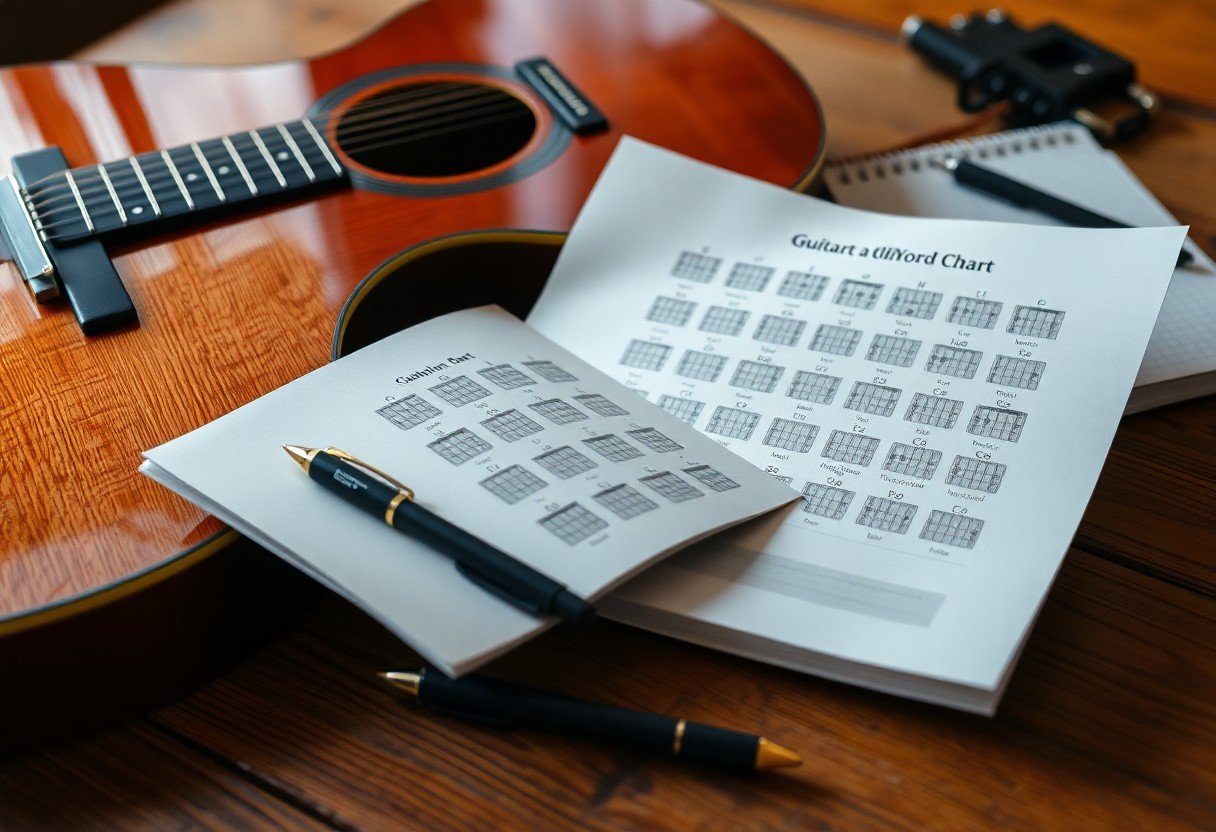
After you get familiar with the basics of chord charts, incorporating them into your practice sessions will greatly enhance your skills. They serve as a roadmap, guiding you through song structures and chord progressions. Regular practice using these charts will help you improve your finger placement, strumming patterns, and timing. As you progress, you’ll find that you can play songs more confidently and creatively, allowing for a more enjoyable practice experience.
Incorporating Chord Charts into Your Routine
At the start of each practice session, dedicate a few minutes to review a chord chart. Focus on the transitions between chords and attempt to play along with your favorite tracks. Gradually increase the complexity of the songs you tackle as you gain confidence and proficiency. This intentional approach will solidify your understanding of chord progressions and improve your overall playing ability.
Finding Songs with Chord Charts
With countless resources available online, finding songs with chord charts has never been easier. Utilize websites and mobile apps dedicated to music that offer extensive libraries of chord charts for beginners to advanced players. These platforms often feature songs spanning various genres, so you can explore and play what resonates with you.
Charts that provide the correct chords and structure are necessary for effective practice. When seeking out new songs, look for popular music sites that offer user-generated content as these often include detailed chord charts. Be aware of quality; always check if the charts are transcribed accurately. Not only will this assist in your learning, but it also boosts your confidence as you play along with tracks you know and enjoy. Always opt for up-to-date charts to ensure you are practicing songs that are relevant to your playing style.
Common Mistakes to Avoid
Unlike more experienced musicians, beginners often fall into several traps that can hinder their progress. It’s necessary to be aware of these pitfalls so you can focus on honing your skills effectively. One common mistake is failing to learn Beginner Guitar Chords – 12 chords you must know; lack of familiarity with necessary chords can drastically limit your playing ability.
Misinterpreting Symbols
Around the world of chord charts, symbols can often lead to confusion. Whether it’s a minor sign or a specific chord inversion, misunderstanding these can result in playing the wrong notes, ultimately distorting the music. Take the time to familiarize yourself with these symbols and their meanings for clearer, more effective playing.
Overlooking Timing and Rhythm
At every stage of your musical journey, timing and rhythm are just as important as the chords themselves. If you neglect this aspect, your music may sound disorganized and unmusical, making it difficult for others to enjoy.
Considering how rhythm influences the overall feel of a piece is vital. A strong sense of timing enhances your ability to play along with other musicians and ensures that your music flows smoothly. Be mindful that misjudging the tempo can lead to playing too fast or too slow, which can disrupt the music’s intended energy. Cultivating a disciplined sense of rhythm will not only improve your playing but also make practicing more enjoyable as you witness tangible progress.
Resources for Further Learning
Your journey in mastering chord charts doesn’t have to end here. There are many resources available that can help you deepen your understanding and improve your skills. Whether you prefer online tutorials, courses, or informative books and websites, you will find a wealth of knowledge at your fingertips. Explore what’s out there to continue your learning experience!
Online Tutorials and Courses
Below, you’ll find a variety of online platforms offering tutorials and courses tailored for beginners. Websites like YouTube, Udemy, and Coursera provide structured lessons that can help you grasp the fundamentals of chord charts in an interactive way. Engaging with these resources allows you to learn at your own pace while receiving valuable insights from experienced musicians.
Recommended Books and Websites
The realm of chord charts is further enriched by a selection of books and websites that offer comprehensive guides and tips. Often filled with illustrations and practical exercises, these resources can enhance your understanding of the subject beyond what online videos can provide.
Even a beginner can greatly benefit from exploring recommended books such as “The Complete Guitar Manual” or “Chord Chemistry,” which examine into the intricacies of chords and music theory. Additionally, websites like Ultimate Guitar and Chordify offer valuable materials like downloadable chord charts and user-generated content, which can support your ongoing learning. By utilizing a mix of these effective resources, you can ensure you have a well-rounded understanding that aids in your growth as a musician.
Conclusion
To wrap up, mastering chord charts is an necessary skill for any beginner looking to enhance your musical journey. By understanding how to read and interpret these charts, you can expand your repertoire and play along with your favorite songs. Practice regularly and explore various genres to build your confidence and versatility. With dedication and the right resources, you’ll find yourself navigating chord charts effortlessly, enriching your experience as a musician.