There’s a world of exciting possibilities waiting for you as you launch on your journey with the electric guitar. In this blog post, I’ll guide you through vital tips and techniques that can help you build a strong foundation for your playing. From understanding the parts of the guitar to exploring basic chord progressions, I want to ensure you avoid common pitfalls while maximizing your practice time. Get ready to unleash your creativity and enjoy making music with your electric guitar!

Key Takeaways:
- Fundamentals: Focus on imperative techniques such as basic chords, strumming patterns, and finger placement to build a strong foundation.
- Practice Routine: Establish a consistent practice schedule to reinforce learning and improve your skills over time.
- Online Resources: Utilize online tutorials, apps, and videos to supplement your learning and gain different perspectives and techniques.
Understanding the Electric Guitar
Your journey into the world of electric guitars begins with a solid understanding of the instrument itself. An appreciation for its structure, types, and how to choose the right one can significantly enhance your learning experience.
Anatomy of an Electric Guitar
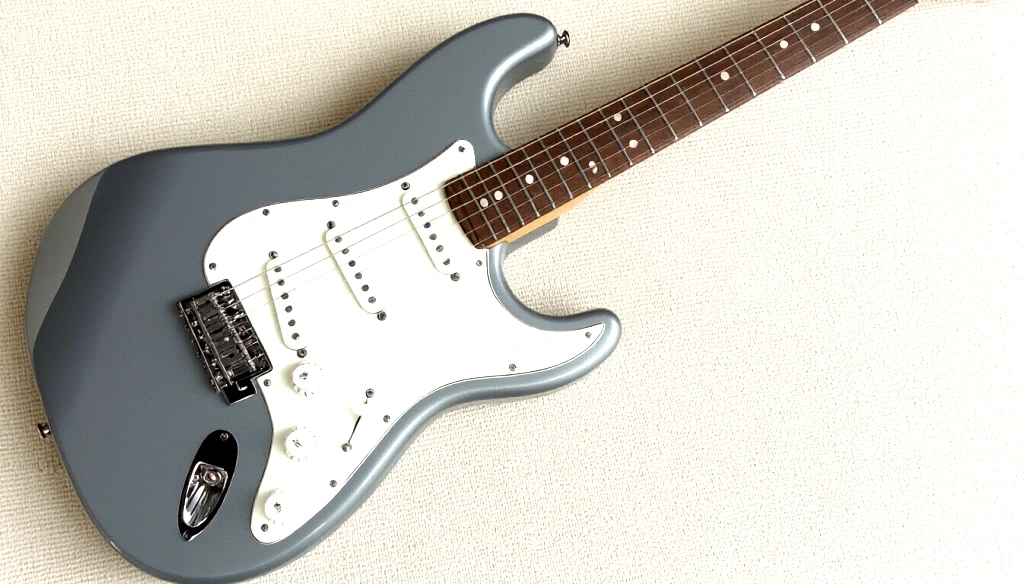
Guitar construction consists of several imperative parts, including the body, neck, and pickups. Each component has a unique influence on sound and playability. The body can be solid, semi-hollow, or hollow, affecting the resonance. The neck houses the frets and determines the instrument’s playability, while the pickups capture string vibrations to convert them into an electrical signal.
Types of Electric Guitars
On the market, you will encounter various types of electric guitars. Each category serves different playing styles, materials, and tonal qualities:
| Type | Description |
|---|---|
| Solid Body | Offers sustain and versatility; ideal for rock and metal. |
| Semi-Hollow Body | Provides warmth and depth, popular in jazz and blues. |
| Hollow Body | Great resonance; used in jazz but can feedback with high volumes. |
| Extended Range | Includes 7 or 8 strings; popular among progressive metal players. |
| Fretless | Allows for unique tonal expressions; often used in experimental music. |
Guitars come in unique shapes and styles, with iconic brands focusing on different genres. Some are designed for beginners, featuring features that make them more user-friendly. A deeper understanding of these types can help you find the right match that resonates with your personal style. Assume that making an informed choice about your first guitar will enhance your learning journey.
- Solid Body for rock and metal
- Semi-Hollow Body for warmth and depth
- Hollow Body for jazz tones
- Extended Range for progressive sound
- Fretless for experimental expressions
Choosing Your First Electric Guitar
The ideal first electric guitar should provide comfort, playability, and a sound you love. Initially, you might find it helpful to try different models and consult with shop experts to discover your preferences.
A great starting point for your first guitar is to ensure it suits your playing style and feels comfortable for your right and left hands. Look for lightweight options if you’re still building finger strength or ensuring the neck width matches your hand size. Additionally, consider features like pickup options and build quality, as these can significantly impact your learning. Be mindful of, this guitar can accompany you on a long journey, so don’t rush your decision!
Essential Gear for Beginners
Some of the most vital gear for beginner guitarists includes an amplifier, guitar accessories, and effects pedals. Each of these elements plays a vital role in shaping your sound and making your learning experience more enjoyable. In this chapter, I’ll examine the importance of amplifiers, highlight must-have guitar accessories, and explain how effects pedals can enrich your music.
Amplifiers and Their Importance
Gear is not just about the guitar itself; a good amplifier can significantly enhance your playing experience. An amplifier will help you project your sound and experiment with different tones. For beginners, I recommend starting with a practice amp that is easy to use and has a variety of built-in settings to help you explore your sound.
Guitar Accessories
One of the most important aspects of playing the guitar is having the right accessories. Some vital accessories include a tuner, guitar picks, a strap, and a case for your instrument. These items will not only protect your guitar but also make playing more comfortable and enjoyable.
Guitar accessories can often be overlooked, but they can make a world of difference in your playing experience. A reliable tuner will ensure your guitar sounds its best, while a comfortable strap allows for prolonged playing without discomfort. Additionally, using quality picks can affect your tone and finger positioning, making them vital tools for your music journey.
The Role of Effects Pedals
Their significance should not be underestimated. Effects pedals allow you to modify your guitar’s sound in various ways, from adding reverb to creating distortion. As a beginner, experimenting with pedals can inspire creativity and help you develop your unique sound.
The variety of effects pedals available can be overwhelming, but I suggest starting with a few basic ones, such as an overdrive pedal for added warmth, or a delay pedal for interesting rhythmic elements. Effects pedals can take your playing to the next level, so don’t hesitate to explore and find the sounds that resonate with your musical style.
Basic Music Theory for Guitarists
Many new guitarists find it beneficial to understand some basic music theory. This knowledge enables you to become a more versatile player and enhances your ability to learn songs effectively. In this section, I will explore fundamental concepts that every beginner guitarist should know.
Understanding Notes and Scales
For any guitarist, understanding notes and scales is important. Each note represents a specific sound, and when combined in a sequence, they create a scale. Scales serve as the foundation for musical melodies and solos. Familiarizing yourself with major and minor scales will significantly aid your playing.
Chords and How to Form Them
On the guitar, chords are formed by combining multiple notes played simultaneously. They provide the harmony that underpins most songs. By learning to position your fingers correctly and understanding the structure of major, minor, and seventh chords, you can start creating beautiful music.
Understanding chord progressions is crucial for any guitarist. By grasping how chords relate to one another within a key, you’ll find it easier to play along with others and compose your own music. You may start with simple progressions like I-IV-V, which are widely used across various genres. Keep in mind, the more you practice, the more natural forming these chords will become!
Reading Sheet Music and Tablature
The ability to read sheet music and tablature is a valuable skill for any guitarist. Tablature (or tab) is a simplified way to represent music specifically for guitar, showing you where to place your fingers on the fretboard. Learning to read both forms will broaden your playing capabilities.
Plus, understanding the distinctions between sheet music and tablature can greatly enhance your musical literacy. Sheet music offers a more comprehensive view of a piece, including rhythm and articulation, while tab focuses specifically on finger placement. As you develop your skills, both forms will become instrumental in your growth as a guitarist.
Fundamental Techniques and Skills
Once again, mastering the fundamental techniques and skills of electric guitar is crucial for your growth as a guitarist. In this chapter, I’ll guide you through the basics that will set the foundation for your musical journey.
Holding and Tuning Your Guitar
Guitar is a versatile instrument, and how you hold it can significantly affect your playing. Sit or stand comfortably, keeping the guitar close to your body. Ensure your thumbs align behind the neck for better grip, and always take a few moments to tune your guitar before playing to ensure you achieve a pleasant sound.
Strumming Patterns
With strumming patterns, you can enhance the rhythm of your playing. Start with simple downstrokes and gradually incorporate upstrokes as you get comfortable. Remember that consistent rhythm is critical, so practice slowly at first until you feel more confident.
Your strumming hand is vital in shaping the tone and feel of your music. Experiment with different strumming patterns like down-up, down-down-up, or syncopated rhythms to discover what suits your style. Using a metronome can also help develop your timing and ensure you stay on beat while playing.
Fingerpicking Techniques
On fingerpicking techniques, you’ll find that this approach adds a rich layer to your sound. Start by encouraging your thumb to pluck bass notes while your index, middle, and ring fingers handle the higher strings. This combination will create a captivating melody alongside your chords.
It’s crucial to practice fingerpicking with a steady tempo and gradually increase complexity. Target specific patterns, such as alternating bass, to enhance your skills. As you progress, you’ll develop a fingerstyle that not only sounds beautiful but also complements various musical genres.
Playing Open and Barre Chords
Holding open and barre chords correctly is crucial for smooth transitions between chord changes. Focus on pressing down the strings firmly with your fingertips, avoiding any muted sounds. Practice these chords regularly in different songs to build muscle memory.
Techniques for playing open and barre chords include placing your fingers close to the frets and ensuring a strong grip. Barre chords can be challenging; however, they offer the opportunity to play any chord in various positions along the neck. Embrace the difficulty and practice diligently to make these chords an integral part of your playing style.
Learning Songs and Progressions
After mastering some fundamental techniques on your electric guitar, it’s time to investigate learning songs and chord progressions. This phase not only makes practice enjoyable but also helps reinforce your skills. By playing real music, you’ll develop a sense of timing, rhythm, and how various chords fit together. Let’s explore how to select beginner songs, grasp simple chord progressions, and play along with backing tracks that will elevate your practice sessions.
Selecting Beginner Songs
For your first songs, choose tunes that are simple and recognizable. Often, classic rock songs or pop hits utilize basic chords that any beginner can learn quickly. Look for songs with only a few chords to avoid overwhelming yourself, and always ensure that they match your skill level to keep motivation high.
Simple Chord Progressions
Simple chord progressions are the building blocks of many songs. They typically consist of just a few chords that repeat throughout the song, allowing you to focus on strumming patterns and transitions rather than complex finger movements. By practicing common progressions like G-C-D or A-D-E, you’ll improve your muscle memory and grow more comfortable switching between chords.
It’s important to note that many popular songs are constructed using just a handful of these simple progressions. As you practice, I encourage you to experiment with variations and find what sounds best to you. This will build your creativity and understanding of harmony. Additionally, playing these progressions in different keys will further enhance your skills and adaptability.
Playing Along with Backing Tracks
Tracks can significantly amplify your practice experience. By playing along with backing tracks, you’ll develop a better sense of timing and rhythm, which are crucial for any guitarist. These tracks provide a musical context for your playing, allowing you to hear how your parts fit within the song.
Chord progressions become much more dynamic when played with a backing track. This method makes practice less isolating and introduces an element of fun and excitement. I recommend exploring various genres of backing tracks to enhance your improvisation skills, as each genre can present unique challenges and enrich your overall musicality. Keep pushing your boundaries, and you’ll find yourself becoming a more versatile electric guitarist!
Developing Practice Routines
Keep your focus sharp and your ambitions high as you initiate on your guitar journey. Setting specific goals for improvement helps create a clear roadmap for where you want to go. I recommend breaking down your objectives into short-term and long-term goals, allowing you to celebrate small victories along the way. This could include mastering a chord, learning a new song, or improving your technique. Each goal achieved will boost your confidence and motivation!
Setting Goals for Improvement
Developing a consistent practice routine is imperative for progress. I suggest allocating time each day to specific exercises or pieces, rather than trying to cram everything into one session. You can experiment with various durations and times of the day to find what works best for you. By sticking to a structured practice schedule, you ensure that your time is utilized effectively, leading to tangible results in your skill development.
Structured Practice Schedules
For a well-rounded practice, I recommend creating a structured schedule that outlines what you’ll work on each day. I typically allocate specific days for scales, chord progressions, and song practice. This variety not only keeps your sessions engaging but also ensures comprehensive skill development. You can start with shorter sessions and gradually increase the duration as your concentration improves, always balancing challenge with enjoyment.
Tools for Tracking Progress
To gauge your improvements accurately, it’s vital to have tools in place that let you track your progress. I often use practice logs or apps to document what I work on, how long I practice, and any milestones I reach. This not only helps me stay accountable but also highlights areas that may need more focus, guiding my subsequent practice sessions effectively.
Tracking your progress consistently is important because it provides real-time feedback on your growth. I find that reviewing my log allows me to see how far I’ve come and helps maintain motivation. Additionally, analyzing my strengths and weaknesses ensures that I continue to improve and adapt my practice routine as necessary, keeping my journey exciting and focused.

Resources for Continued Learning
Unlike many traditional learning methods, the electric guitar offers a plethora of resources that can enhance your skills and keep your motivation high. I highly recommend checking out good learning videos for beginner guitarist with electric guitar. These platforms are filled with tips, tricks, and insights that can tremendously speed up your progress.
Online Courses and Tutorials
With the rise of the internet, there are countless online courses and tutorials available that cater specifically to beginner electric guitarists. Websites like Udemy, Coursera, and even YouTube have extensive libraries of lessons tailored to various styles and techniques. These platforms allow you to learn at your own pace, making them a perfect fit for busy schedules.
Books and Instructional Materials
Continued exploration through books and instructional materials can greatly complement your online learning. I’ve personally found a wealth of knowledge in guidebooks focused on guitar theory, technique, and practice exercises that challenge your skills. Such materials can serve as necessary resources for reference and in-depth understanding.
Courses on the market cover everything from basic chords to advanced music theory, making them suitable for various skill levels. Additionally, a good instructional book often includes diagrams and exercises that can help reinforce what you’ve learned online. As you progress, you may wish to explore specialized genres or techniques, and books can provide those focused pathways.
Joining Local Guitar Communities
Books can also guide your social journey by encouraging you to join local guitar communities. Engaging with fellow guitarists can provide not only motivation but also valuable feedback on your playing. Local jams, meetups, or even online forums can be great ways to connect with like-minded individuals who share your passion.
Online communities often extend the learning process beyond your own home, allowing you to exchange ideas, jam together, or seek advice from more experienced players. These connections can create lasting friendships and open up opportunities for performing or collaborating on projects, adding a rich social aspect to your musical journey.
Final Words
Considering all points, beginner electric guitar lessons can be a transformative experience for you as a musician. I understand that starting something new can be challenging, but with the right guidance and practice, you’ll unlock the joys of playing the electric guitar. By taking structured lessons, whether in-person or online, you’ll build a strong foundation, develop your skills, and gain confidence. Be mindful of, every great guitarist started as a beginner, and with dedication, you too can elevate your playing to new heights.