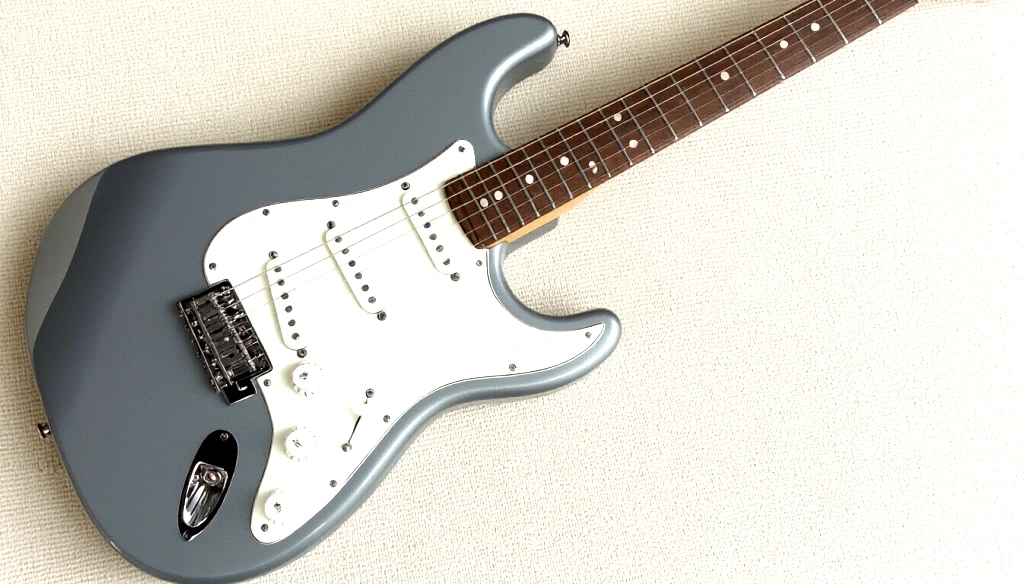
There’s a simple way for you to unlock your potential as a guitarist through understanding guitar tablature. Tablature, or tab, offers a visual representation of the guitar fretboard, allowing you to easily learn songs without needing to read traditional sheet music. In this guide, you’ll discover the key elements of tablature, including string numbers, fret placement, and common symbols. By grasping these aspects, you can quickly improve your playing and enhance your musical journey. Get ready to turn your favorite songs into achievable riffs and solos!
Key Takeaways:
- Understanding the Layout: Guitar tablature consists of six horizontal lines representing the strings of the guitar, with the bottom line being the lowest pitch (6th string) and the top line being the highest (1st string).
- Reading Numbers: The numbers on the lines indicate which fret to press down on each string, with ‘0’ meaning to play the string open (no frets pressed).
- Timing Indicators: Some tabs include symbols or additional markings to suggest timing and techniques, such as hammer-ons, pull-offs, bends, and slides, which provide a more comprehensive understanding of how to play the piece.
Understanding Guitar Tablature
To grasp the concept of guitar tablature, it is vital to understand how it represents music specifically for guitar players. Tablature, or “tab” for short, provides a visual representation of the guitar neck, allowing you to easily see where to place your fingers to play notes and chords. This system is exceptionally user-friendly, making it accessible for beginners and experienced players alike.
What is Tablature?
What you may not realize is that tablature is a form of musical notation specifically designed for fretted instruments like the guitar. Unlike traditional sheet music, which indicates notes on a staff, tablature shows you exactly which fret to press down on each string, allowing for easier learning and quicker playing.
The Components of Tablature
One key aspect of tablature is its layout, which consists of six horizontal lines representing the six strings of the guitar. The bottom line corresponds to the lowest string (E), while the top line corresponds to the highest string (E). Numbers placed on these lines indicate which fret you should press to play a note.
Another important component is the presence of symbols often used to communicate specific techniques, such as slides, bends, and hammer-ons. Understanding these symbols can greatly enhance your playing ability and expression. You will find numbers that represent frets, lines for strings, and various symbols for techniques, making it a comprehensive tool for learning. By familiarizing yourself with these components, you can unlock the full potential of your guitar playing.
Reading Tablature Notation
Clearly, reading tablature notation is a straightforward process that allows you to play guitar music without needing to understand traditional notation. Tablature, often called ‘tab’, is a visual representation of the guitar strings and the frets you need to press. By familiarizing yourself with this system, you can easily translate music into accessible finger placements, which enables you to play your favorite songs with confidence.
Understanding the Tablature Lines
Understanding the frequency lines in tablature is vital for effective reading. Each line corresponds to a string on your guitar, starting from the highest, thinnest string at the top and going down to the lowest, thickest string at the bottom. This arrangement reflects the way you hold your guitar, making it intuitive for you to identify where to place your fingers.
Interpreting Numbers and Symbols
After you grasp the lines, interpreting numbers and symbols will allow you to play your favorite riffs and chords. The numbers on the lines indicate the frets you should press on each string. A ‘0’ means you play the string open, while a number like ‘3’ tells you to press down on the third fret of that string.
Considering the symbols in tablature is equally important, as they denote specific techniques. For example, a ‘x’ indicates a muted strum where you don’t press down on the string, while slashes (‘/’,’\\’) represent slides either up or down to another note. Pay attention to these symbols since they add expression and nuance to your playing. Also, recognizing hammer-ons and pull-offs—denoted by ‘h’ and ‘p’—allows you to enhance your finger agility and speed, providing a rich texture to your music. By understanding these details, you’ll be equipped to interpret tablature more effectively.
Tips for Practicing with Tablature
Unlike traditional sheet music, practicing with tablature offers a visual way to understand where to place your fingers. To enhance your practice sessions, consider these tips:
- Start with slow tempos to build confidence.
- Use a metronome to maintain consistent rhythm.
- Break pieces into smaller sections for easier learning.
- Keep your posture and hand positioning ergonomically correct.
This approach will lead to more effective learning. For further insights on Reading Guitar tab, check out valuable resources.
Starting Simple: Basic Songs
Tablature is an excellent starting point for beginners as it allows you to pick up simple songs quickly. Focus on songs that you enjoy and that are designed for beginners, so you can experience a sense of achievement while building your skills. This enjoyment will motivate you to keep practicing.
Gradually Increasing Complexity
At some point, you’ll want to move beyond basic songs and tackle more complex pieces. Transitioning to intermediate-level tablature helps you discover new techniques and expand your playing style. Strive to challenge yourself without becoming overwhelmed, ensuring a balanced approach to skill development.
Tips for gradually increasing complexity include exploring different genres and styles. Start with basic chord progressions before stepping into advanced techniques such as bending and hammer-ons. It’s important to stay patient and allow yourself time to absorb new concepts. Engage with resources that present challenges at the right level and ensure you practice consistently to see continuous improvement in your skills.
Common Tablature Symbols
For every guitarist, understanding common tablature symbols is imperative for translating written music into sound. These symbols indicate specific techniques and actions, conveying necessary details about how to approach each note. Familiarizing yourself with these symbols enables you to effectively play from tabs while also enhancing your overall musical literacy and performance skills.
Hammer-Ons and Pull-Offs
Between the notes, you will encounter hammer-ons and pull-offs, which are techniques that create a smoother legato sound. A hammer-on involves playing one note and then ‘hammering’ onto a higher note without picking again, while a pull-off means plucking the string off the last played note, allowing it to resonate. These techniques add dynamics to your playing, allowing for a more expressive sound.
Slides, Bends, and Muting
Among the various symbols, slides, bends, and muting play a distinct role in enhancing your guitar playing style. Slides enable you to smoothly shift from one note to another, while bends allow you to raise the pitch of a note by pushing the string. Muting, on the other hand, effectively silences certain notes for rhythmic emphasis.
Indeed, mastering slides, bends, and muting can significantly elevate your guitar skills. When you perform a slide, aim for a seamless transition between notes, creating a fluid sound that captivates your audience. Bending a note can convey emotion; however, ensure you achieve the correct pitch to maintain harmony. Lastly, effective muting can add a percussive element to your playing. Practice these techniques regularly to incorporate them naturally into your repertoire and enhance your musical expression.
Troubleshooting Common Issues
Keep your practice sessions productive by addressing common challenges that arise when reading guitar tablature. Whether it’s confusion over notes or difficulty maintaining tempo, recognizing these issues will help you overcome obstacles and improve your playing. By understanding the common pitfalls, you can enhance your performance and enjoy the learning process more fully.
Misinterpretation of Tablature
About misinterpretation, it’s easy to get lost in the symbols and numbers of tablature. You might confuse fret numbers, string placement, or even rhythmic values, leading to incorrect note playing. Make sure you familiarize yourself with the layout and symbols used in tablature, double-checking your understanding against reliable sources. Taking the time to ensure clarity will enhance your playing experience.
Adjusting to Playing Speed
Adjusting to playing speed can pose significant challenges for many learners. However, you can build your skills gradually by starting slow. Begin with a metronome at a lower tempo and gradually increase the speed as you become more comfortable with each section of the tab. Focus on accuracy rather than speed alone; this will not only help you play cleanly but will also instill confidence in your abilities. Over time, you’ll notice improvements in your overall timing, allowing you to tackle more complex pieces successfully.
Issues with playing speed often occur when you feel pressured to perform at a certain tempo. Embrace the process; slowing down and mastering the notes ensures you’re not just hitting them, but doing so with precision. If you rush, you risk forming bad habits that can be difficult to break. Consistent practice at manageable speeds coupled with gradual increases will set you up for long-term success.
Resources for Learning Tablature
Once again, having the right resources can significantly enhance your learning experience with guitar tablature. You can explore a variety of online platforms, apps, and literature that cater specifically to beginners and advanced players alike. These resources provide comprehensive tutorials, practice exercises, and insights into reading tablature, enabling you to apply your skills effectively while having fun in your learning journey.
Online Tutorials and Apps
After you’ve grasped the basics of tablature, consider venturing into a wealth of online tutorials and apps designed for guitarists. Websites like Ultimate Guitar and dedicated apps offer interactive lessons, video demonstrations, and an extensive library of tabs. These resources allow you to practice at your own pace while providing engaging content to help you improve your skills.
Recommended Books and Materials
Beside online resources, there are multiple books and instructional materials available that can deepen your understanding of guitar tablature. You’ll find both beginner-friendly guides and comprehensive texts that cover more advanced techniques, ensuring that you can progress at your own pace.
Tablature books often include visual aids and step-by-step instructions to guide you through the reading process. Additionally, many of these resources feature accompanying audio tracks that allow you to hear how the tablature should sound, enhancing your learning experience. Investing in quality materials will help you build a strong foundation, making the learning process both enjoyable and effective.
Final Words
Taking this into account, mastering guitar tablature can greatly enhance your playing ability and musical understanding. By familiarizing yourself with the layout, string names, and finger placements, you can quickly interpret songs and improve your skills. Practice regularly with different tabs to gain confidence, and don’t hesitate to explore various styles and techniques. With dedication and a systematic approach, you will find reading tabs becomes a natural part of your guitar journey.