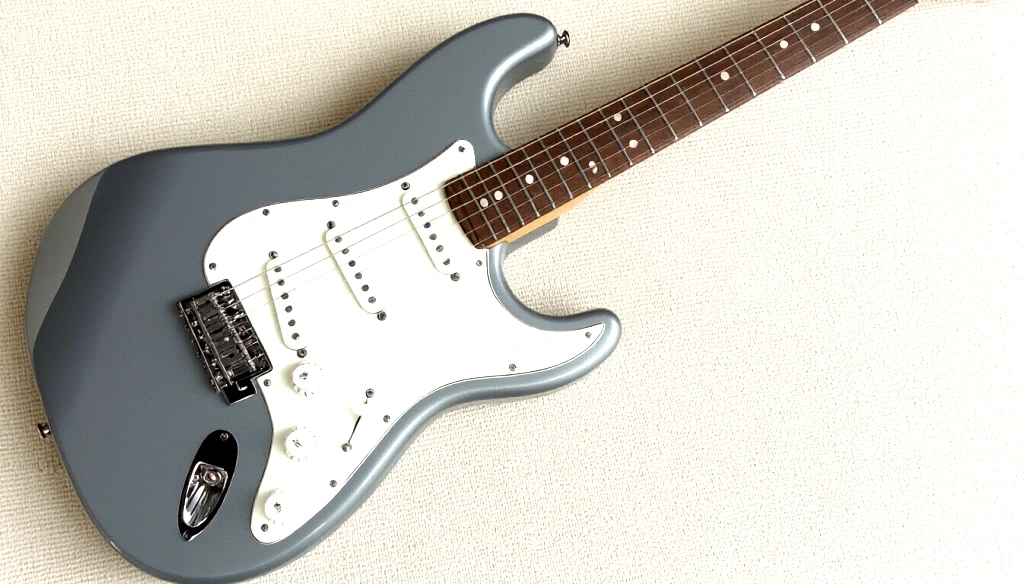
You can enhance your playing experience by properly setting up your guitar for optimal playability. Fine-tuning elements like string height, neck relief, and intonation not only ensures comfort but also improves your sound quality. By taking the time to make these adjustments, you can prevent unnecessary strain on your fingers and hands, allowing for smoother transitions and faster playing. In this post, you will learn the imperative steps to achieve a perfectly set-up instrument that meets your musical needs.
Understanding Your Guitar’s Anatomy
While getting to know your guitar’s anatomy is crucial for optimal playability, it is often overlooked. Understanding parts like the neck, body, frets, and hardware helps you make informed adjustments and improvements. For a deeper insight, check out this article on A Basic Understanding & Guide to a Guitar Setup, which covers crucial concepts that will enhance your playing experience.
Fretboard and Frets
Among the most important components of your guitar are the fretboard and frets, which directly impact your playing style. A well-maintained fretboard allows for smooth transitions while playing, while properly dressed frets help you avoid buzzing sounds and dead notes. Keeping the fretboard clean and ensuring frets are leveled will greatly improve your guitar’s overall playability.
Body and Neck Design
Frets and their arrangement also contribute to how your guitar feels when you play it, but the body and neck design play an equally important role in your instrument’s playability. Factors such as the shape, size, and weight of the body influence the guitar’s balance, while the neck shape and material determine comfort during extended playing sessions. A thinner neck may allow for faster playing, while a more substantial neck can provide better support and stability. Understanding these attributes allows you to select a guitar that best suits your style and preferences, affecting both sound and comfort in significant ways.

Adjusting the Action
Even a small adjustment to your guitar’s action can significantly improve your playing experience. Proper action height enables you to play comfortably and with greater accuracy, reducing the risk of fret buzz while ensuring your guitar sounds its best. To achieve optimal action settings, you’ll want to measure the distance between the strings and the fretboard accurately.
Measurement Techniques
Across your guitar’s fretboard, it’s necessary to check the string height at various points. Typically, you’ll want to measure at the 12th fret, as this is where action adjustments have the greatest effect on playability. This precise measurement allows you to quantify your desired height, leading to a more tailored setup.
Tools Needed for Adjustment
Among the tools necessary for action adjustment are a ruler or string action gauge, Allen wrenches (for adjustable bridges), and a tuner to ensure string height consistency. Having the right tools at your disposal will make the adjustment process smoother and more effective.
While using these tools, pay attention to meticulous details like string gauge and neck relief, as they play a significant role in action adjustment. Keeping your ruler handy allows you to make precise measurements, while Allen wrenches enable you to make adjustments without damaging your guitar. Always ensure that your environment is well-lit for evaluation to avoid missed measurements that can lead to playing difficulties. A small oversight can result in unnecessary frustration, so take your time to achieve the best possible action for your instrument.
Setting the Neck Relief

The neck relief of your guitar is crucial for ensuring comfortable playability and preventing fret buzz. Proper neck relief allows the strings to vibrate freely without unintentionally touching higher frets. By adjusting this curvature in the neck, you’ll optimize your guitar’s action, making it easier to play, especially for techniques like bending and sliding.
Importance of Neck Relief
The neck relief directly influences your guitar’s playability. When set correctly, it helps maintain a comfortable string height, allowing you to perform different styles without hindrance. If your neck relief is inadequate, you may experience undesirable fret buzz, while excessive relief can lead to a high action, making your guitar challenging to play.
How to Measure and Adjust
One way to measure neck relief is by using a capo and a feeler gauge. Capo the first fret and press down on the last fret of the low E string. Measure the gap at the 8th fret with the feeler gauge; around 0.25mm is ideal. If adjustments are necessary, use the truss rod to either loosen or tighten the neck curvature.
Even small adjustments can dramatically change your guitar’s playability. To tighten the truss rod, turn it clockwise to reduce relief and lower action; if you need more relief, turn it counterclockwise. Be cautious—over-tightening can cause neck damage, resulting in expensive repairs. A quarter turn at a time is often sufficient. After adjusting, recheck the relief and make further adjustments as needed. With careful measurement and adjustments, you’ll ensure your guitar remains enjoyable to play.
Intonation: Getting the Right Pitch
After ensuring your guitar is properly tuned, it’s time to tackle intonation. Proper intonation guarantees that your guitar plays in tune along the entire fretboard, especially when pressing down on the frets. Without this adjustment, notes can sound sharp or flat, making it challenging to play in harmony with other instruments.
What is Intonation?
At its core, intonation refers to the accuracy of pitch in relation to the guitar frets. If your guitar is well intonated, it means that when you play a note at the 12th fret, it will sound the same as the open string when tuned properly. A poorly intonated guitar will produce a different pitch, which can be frustrating while playing.
Step-by-Step Adjustment Process
Among the steps to adjust your guitar’s intonation, you will need to check the 12th fret notes for accuracy, adjust the saddle positions, and retune as necessary. The following table breaks down the process clearly.
Step-by-Step Adjustment Process
| 1. Tune your guitar. | Ensure it is perfectly in tune before starting the intonation check. |
| 2. Check 12th fret note. | Play the 12th fret note and observe if it’s sharp or flat. |
| 3. Adjust saddle. | Move the saddle forward if sharp, or backward if flat. |
| 4. Retune and repeat. | After adjustments, retune and recheck the pitch. |
It’s crucial to be cautious during this adjustment process, as small changes can affect your guitar’s overall tone. Each step should be conducted with a steady hand and a keen ear, ensuring that you attain the best sound possible. Following the table can help simplify the adjustment:
Adjustment Tips
| Be precise | Small adjustments make a big difference. |
| Use a tuner | A reliable tuner will ensure accurate pitch readings. |
| Test frequently | Recheck your adjustments to maintain intonation. |
Improving your guitar’s intonation will significantly enhance your playing experience.
Choosing the Right Strings

Keep in mind that the right strings can significantly affect your guitar’s sound and playability. It’s imperative to choose a type that suits your playing style and genre. For more on what does one need to learn to be able to set up their own, consider researching the different string options available to you.
String Gauge and Material
The gauge, or thickness, of your strings influences both playability and tone. Lighter gauge strings allow for easier bending and are great for beginners, while heavier gauges provide a fuller sound but require more finger strength.
Impact on Playability
By selecting the appropriate strings, you can enhance your overall playing experience. Lighter strings may result in less finger fatigue, making it easier for you to play longer sessions, while heavier strings can produce a richer sound, albeit with increased effort.
Consequently, choosing strings that align with your skill level and playing style has a strong effect on your guitar’s playability. For beginners, lighter strings enable quicker mastery of techniques without causing discomfort. On the other hand, more experienced players might prefer the fuller tone provided by heavier strings, even if they require more physical effort. Ultimately, this choice directly impacts your enjoyment and progression as a guitarist.
Regular Maintenance Tips

Despite your efforts to enhance your guitar’s playability, regular maintenance is important for sustaining its performance. Keep these tips in mind for optimal results:
- Change your strings regularly.
- Use a guitar polish to maintain the finish.
- Check and adjust the intonation as needed.
- Inspect your frets for wear.
- Store your guitar in a temperature-controlled environment.
The more consistently you practice these maintenance tasks, the better your guitar will sound and play.
Cleaning and Care
Against the backdrop of everyday playing, keeping your guitar clean is vital to preserving its integrity. Wipe your instrument down after each session using a soft cloth to remove sweat, fingerprints, and oils. Consider using a dedicated guitar cleaner for deeper cleans, ensuring you choose products that are safe for your guitar’s finish. Regular care will not only enhance its appearance but also prolong its lifespan.
When to Seek Professional Help
When you notice problems that are beyond your expertise, it’s advisable to consult a professional. Signs of a poorly adjusted neck, serious fret wear, or buzzing notes may require technical knowledge and tools you might not possess.
For instance, if you experience persistent buzzing or feel that your guitar is consistently out of tune despite adjustments, these issues can indicate deeper problems that might cause serious damage if left unchecked. When performing a truss rod adjustment or a neck reset, a luthier has the necessary experience and tools to correct these issues safely. Using a professional ensures that your instrument’s playability and longevity can be maintained without risking further damage.
To wrap up
Conclusively, setting up your guitar for optimal playability involves a careful balance of adjustments to the neck relief, action height, and intonation. By taking the time to tune these elements to your playing style and preferences, you enhance both comfort and sound quality. Whether you’re a beginner or a seasoned player, understanding these fundamental adjustments empowers you to create a guitar setup that suits your unique needs and enhances your overall playing experience. Embrace the process and enjoy the transformation in your musical journey.