Over time, the right guitar cable can significantly affect the sound quality and performance of your instrument. Investing in high-quality cables not only enhances your tone but also ensures durability and reliability during your performances. Poor cables can lead to signal loss or unwanted noise, so it’s crucial to choose wisely. In this post, you’ll discover the Best guitar cables 2024: for electric, acoustic, and bass, ensuring you find the perfect cable to elevate your playing experience.
Understanding Guitar Cables
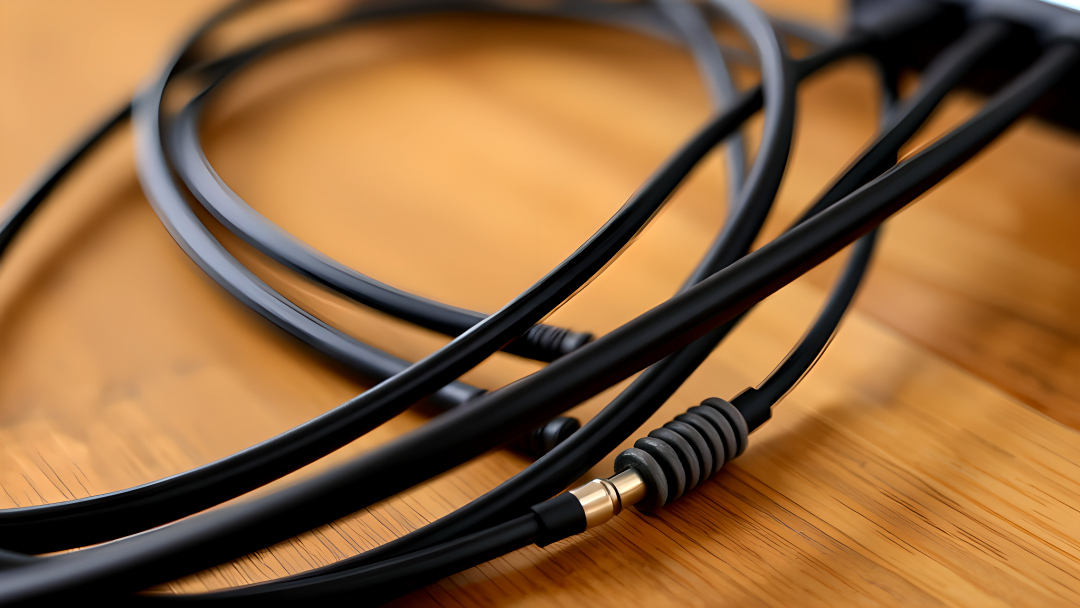
A guitar cable is necessary for transferring your instrument’s sound to an amplifier or another device. It can significantly affect your tone and performance, so knowing what guitar cables are good quality r/Bass is key. With various options available, choosing the right cable will enhance your overall sound and reliability during performances.
Types of Guitar Cables
About guitar cables, you can typically find them in several types, each with its unique features and benefits. Here’s a breakdown:
| Type | Description |
|---|---|
| Instrument Cables | Designed primarily for electric guitars and basses, they carry the signal directly from your instrument to the amp. |
| Patch Cables | Used to connect multiple effects pedals in a chain, these cables are shorter and flexible. |
| Speaker Cables | These connect your amplifier to the speaker, designed to handle high power output. |
| Balanced Cables | Utilized for reducing noise, these cables are often used in professional sound setups. |
| Unbalanced Cables | Commonly used for most guitar connections, they offer simplicity but can pick up interference. |
Recognizing which type suits your needs will help you optimize your setup and performance.
Features to Consider
One necessary aspect of choosing a guitar cable is understanding the features that can impact your sound quality and durability.
It’s important to consider factors like length, which affects tone loss; shielding, to reduce interference; and connectors, ensuring compatibility and reliability. You should also look for cables with durable casing to withstand wear and tear. Investing in a good cable pays off in both sound quality and performance longevity, ensuring that your equipment performs at its best.
Top Brands in Guitar Cables
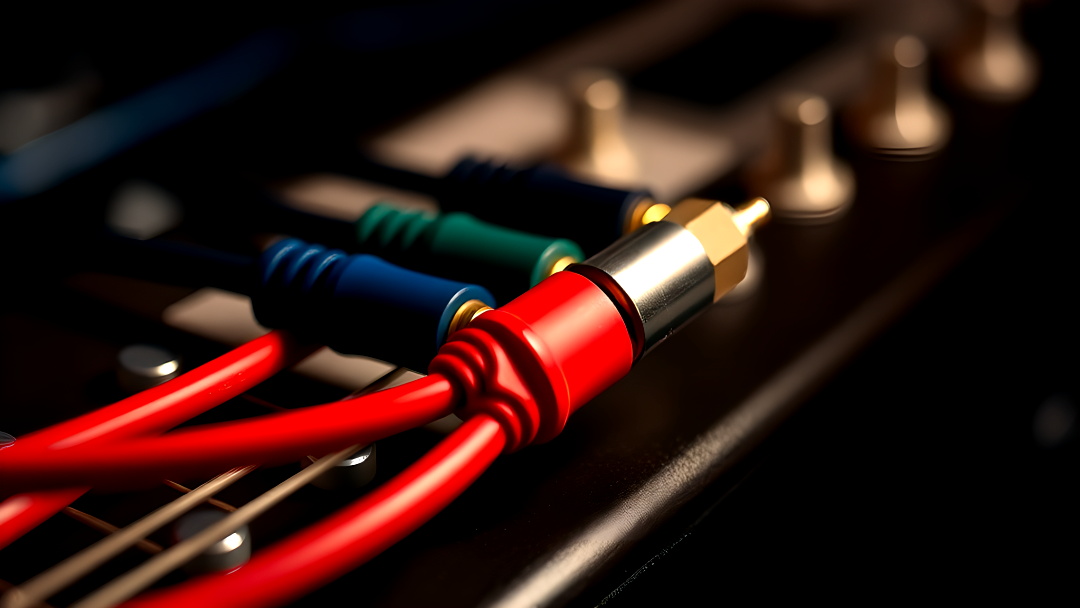
The market for guitar cables features several prominent brands known for their quality and reliability. Companies like Mogami, Monster, and DiMarzio have built strong reputations by providing musicians with excellent performance and durability. When deciding on a cable, consider factors such as your playing style and preferred sound, as each brand offers unique features tailored to various needs.
Premium Options
Among the top-tier guitars cables, brands like Mogami and Evidence Audio stand out due to their exceptional build quality and sound fidelity. These premium options often feature high-grade materials and advanced shielding technology, ensuring minimal signal loss and interference. Investing in a premium cable can significantly enhance your overall tone, making it a worthwhile choice for serious musicians.
Budget-Friendly Choices
For those seeking reliable yet affordable guitar cables, brands like Hosa and Live Wire offer great options without breaking the bank. These budget-friendly choices provide decent performance and durability, making them suitable for beginner and casual players alike.
And if you’re on a tight budget, you’ll find that many budget-friendly cables deliver surprisingly good sound quality for everyday use. Options like those from Hosa and Live Wire use solid materials and construction methods, ensuring durability against typical wear and tear. While they may not have the same advanced features as premium cables, they can withstand regular gigging or practice sessions. Always consider your needs, as these cables can perfectly suit beginner musicians or those who play less frequently.
Performance Comparison
It’s imperative to evaluate the performance of guitar cables to ensure you get the best sound and reliability. The following table compares key attributes of top guitar cables on the market.
| Attribute | Performance |
|---|---|
| Sound Quality | High fidelity with minimal interference |
| Durability | Resistant to wear and tear |
| Flexibility | Easy to manage and coil |
| Price | Varies by brand and construction quality |
Sound Quality
At the heart of your guitar setup is the sound quality you want to achieve. Opting for high-quality cables minimizes signal loss and interference, allowing your guitar’s true tone to shine through. Well-constructed cables ensure clarity, depth, and a balanced output, enhancing your overall playing experience.
Durability
Sound performance is closely linked to the durability of your cables. You want to invest in products that can withstand the rigors of touring or regular use. A high-quality cable will often feature reinforced connectors and a robust outer sleeve to prevent fraying and breakage.
It’s important to choose cables that are built to last, safeguarding your investment. Cables with strong connectors and durable materials can withstand physical stress, resist corrosion, and prevent unwanted noise interference. Choosing wisely here ensures that your sound remains clear and consistent, even after extensive use.
User Reviews and Experiences
Many guitarists have shared their experiences regarding the quality and durability of various guitar cables. You’ll find that many users emphasize the importance of low noise levels and signal clarity during performances. Positive feedback often highlights how certain brands offer long-lasting construction, while some reviews warn about cables that easily fray or create interference. It’s vital to consider these insights when selecting your next guitar cable, as they can significantly impact your sound quality and performance reliability.
Tips for Choosing the Right Cable
For the best performance, you need to consider several factors when choosing guitar cables. A good cable can significantly enhance your sound quality and performance. Here are some helpful tips:
- Look for a cable length that suits your playing style.
- Choose cables with shielding to minimize interference.
- Opt for high-quality connectors to ensure durability.
- Check the gauge of the wire for better signal transmission.
After weighing these factors, you’ll be better equipped to select a guitar cable that meets your needs and enhances your sound.
Maintaining Your Guitar Cables
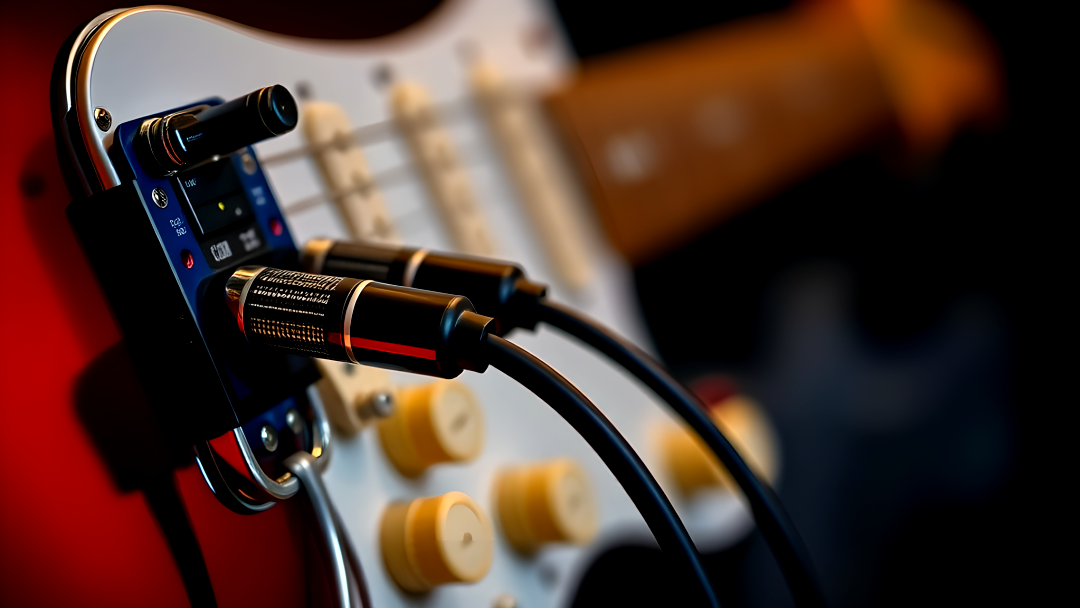
To ensure the longevity of your guitar cables, store them properly when not in use; avoid kinking or twisting that can cause damage. Regularly check for wear and tear, paying special attention to connectors, as frayed wires can lead to signal loss or create short circuits. Use cable wraps to avoid tangling and minimize the risk of accidents that could result in personal injury or equipment damage. When possible, keep your cables away from high-traffic areas to prevent accidental tripping or pulling. These simple practices will help you maintain quality sound and extend the life of your cables.
Final Words
The best guitar cables on the market can significantly enhance your musical experience and performance. By investing in high-quality cables, you ensure reliable signal transmission and reduced interference, allowing your instrument’s true sound to shine through. Consider your specific needs, such as cable length and shielding, to choose the right option for your setup. With the right cables, you can fully enjoy your music and avoid potential audio issues, giving you the confidence to express your creativity without limitations.